
Upright Microscopes
Upright microscopes are essential tools for detailed sample observation, utilizing a vertical optical path. They provide precise analysis capabilities with features like brightfield and darkfield illumination modes, supporting high-resolution imaging for metallurgical and biological studies.
-
-
-
-
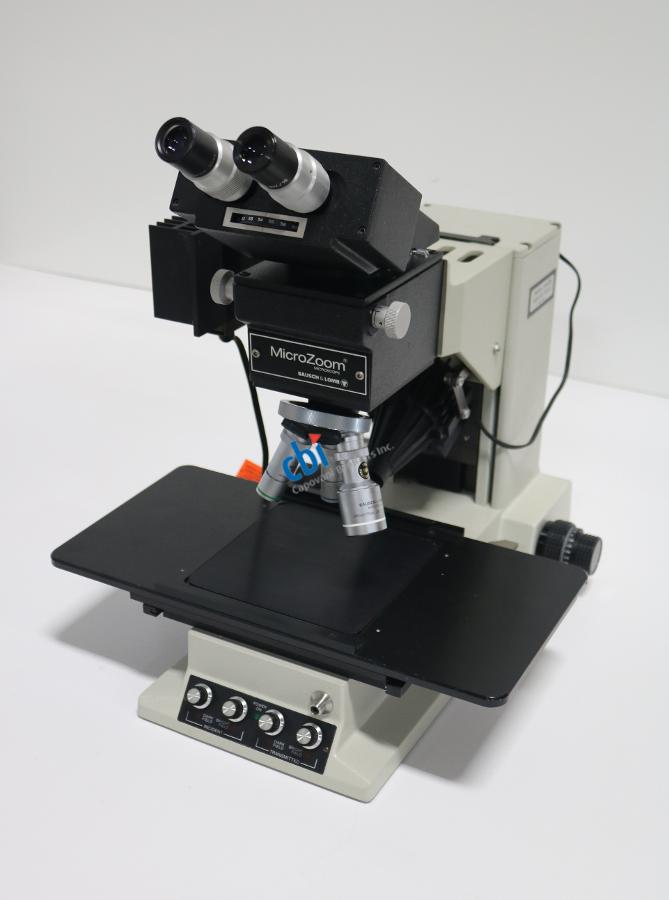
BAUSCH & LOMB INDUSTRIAL MICROSCOPE INCIDENT LIGHT
Industrial microscope with long working distance objectives.
-
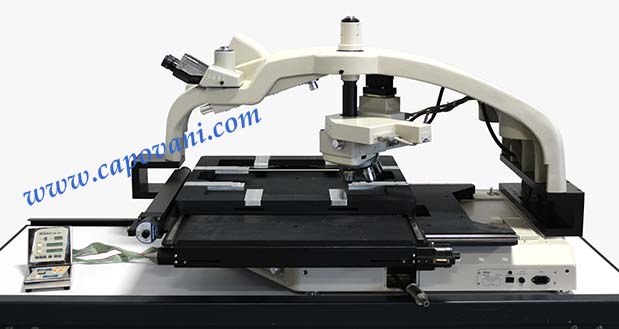
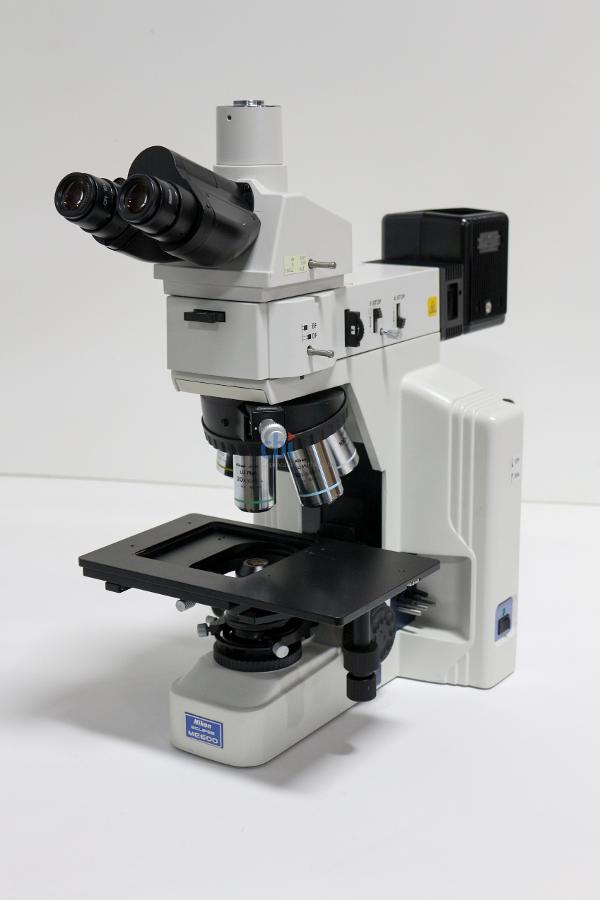
NIKON LARGE SUBSTRATE INSPECTION MICROSOPE
Brightfield, Darkfield, POL Reflected and Transmitted Light
N.B. The Kinetic Systems optical table that the Nikon Microscope is on is not included. However, it is for sale. More information at Kinetic Systems 1201-04-11
-
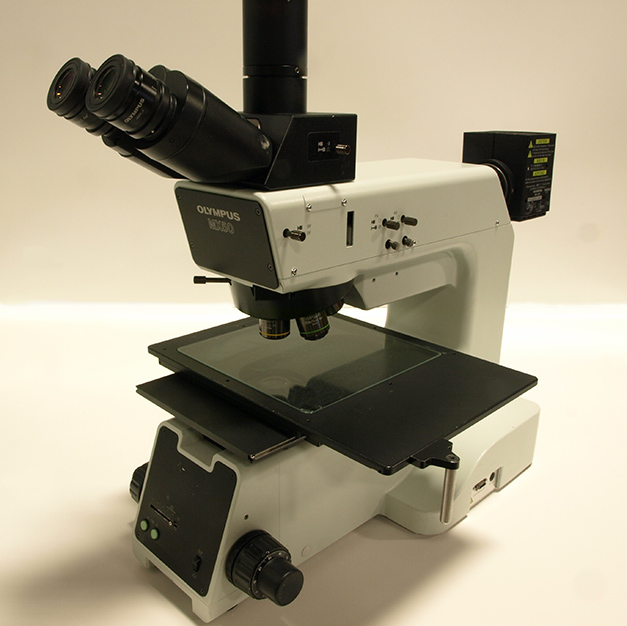
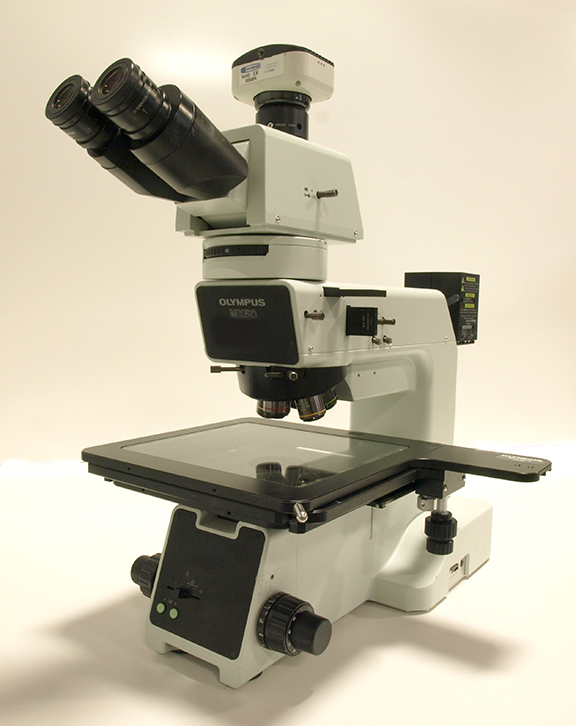
OLYMPUS MICROSCOPE, REFLECTED LIGHT
Brightfield Darkfield
NB: Qimaging Camera and phototube shown are not included.
-
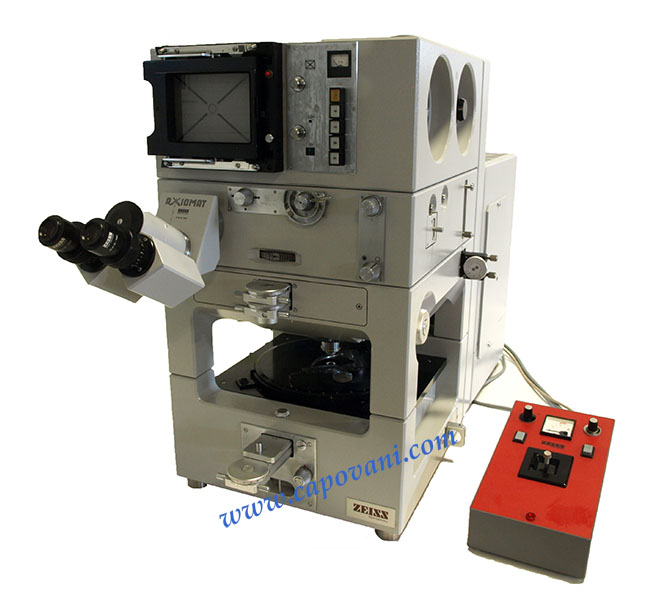
ZEISS AXIOMAT MICROSCOPE
Reflected/Transmitted Light Microscope Brightfiled/Darkfield/DIC
-
-
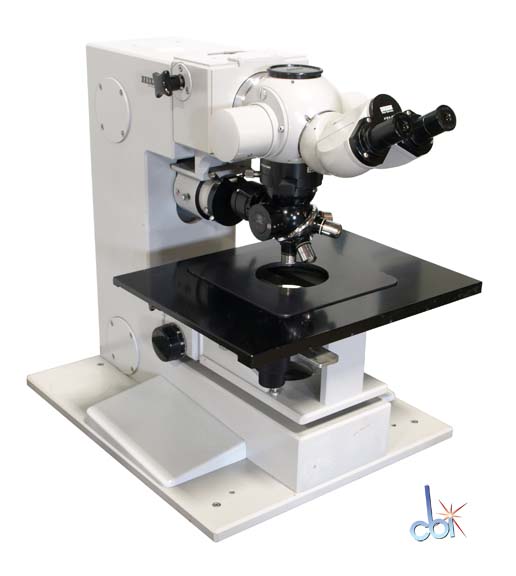
ZEISS INDUSTRIAL MICROSCOPE, REFLECTED LIGHT/BRIGHTFIELD
Reflected Light/Brightfield Industrial Microscope
-
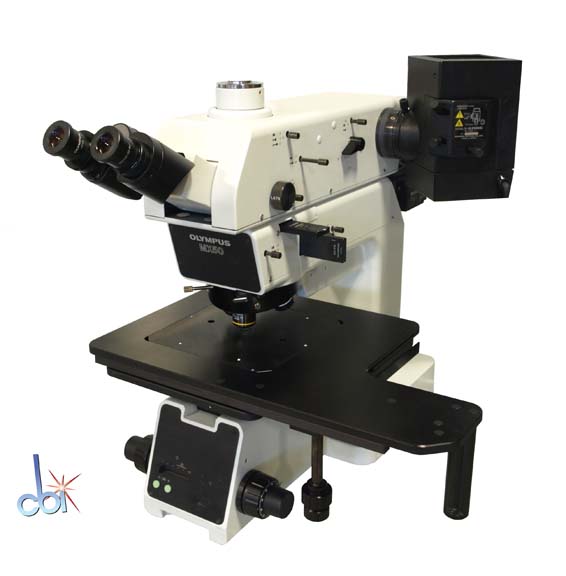
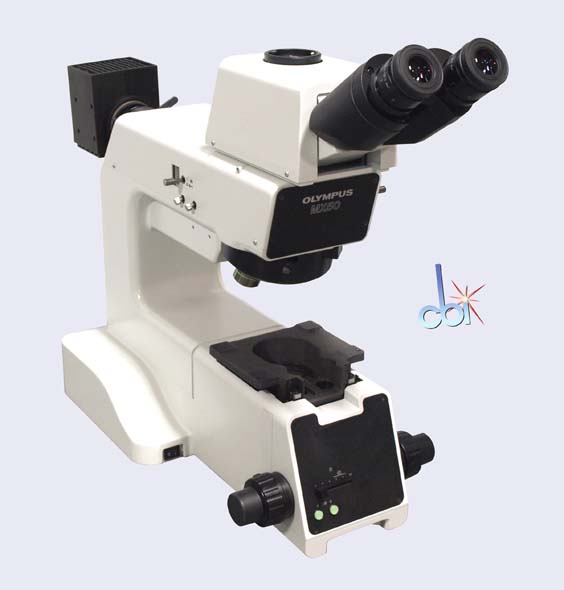
OLYMPUS MICROSCOPE, REFLECTED LIGHT - BRIGHTFIELD, DARKFIELD/DIC
Reflected Light Real-Time Confocal Microscope
-
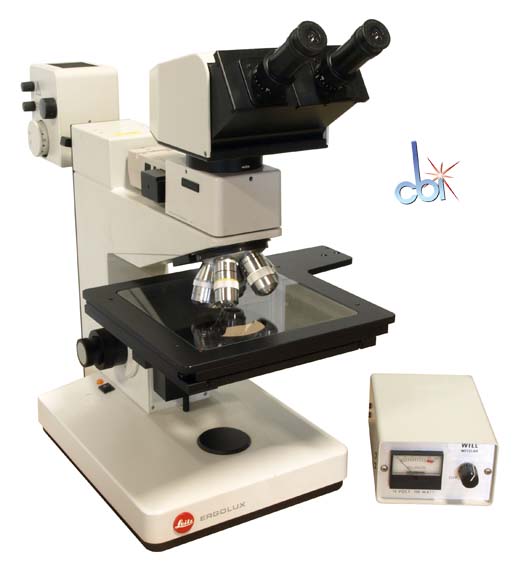
LEITZ MICROSCOPE, REFLECTED LIGHT - BRIGHTFIELD & DARKFIELD
Brightfield/Darkfield Reflected Light
-
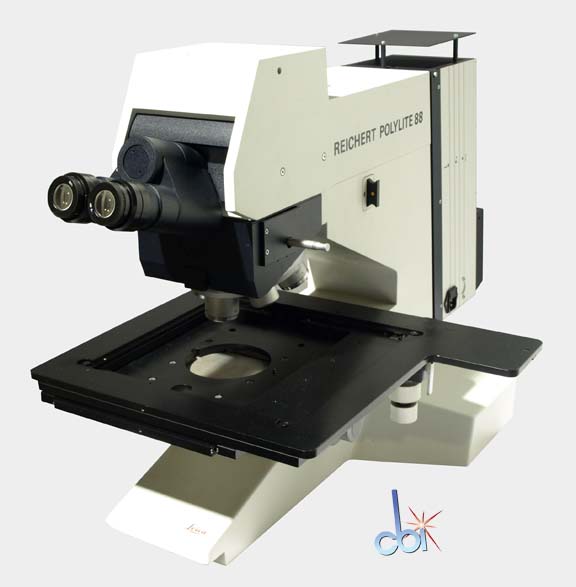
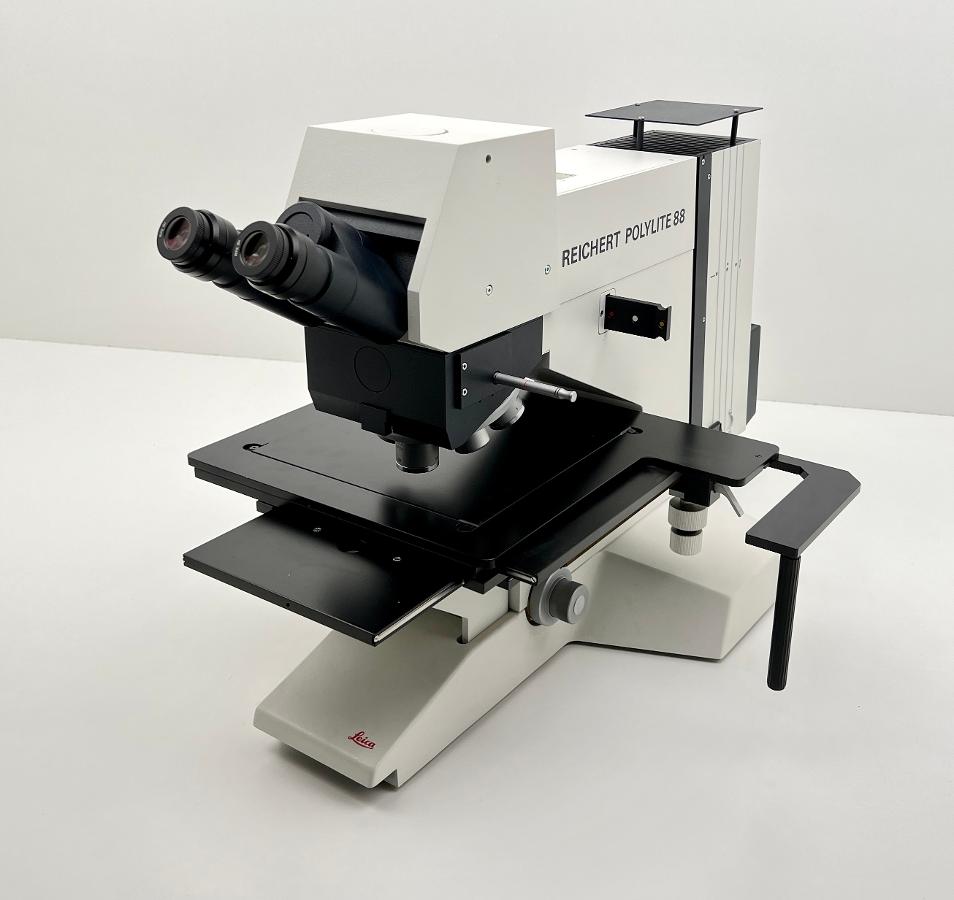
LEICA/REICHERT MICROSCOPE, REFLECTED LIGHT - BRIGHTFIELD & DARKFIELD
Polylite 88 Reflected Light Microscope
Common Applications
metallurgical analysis
biological research
laboratory observation
surface structure examination
coating analysis
Frequently Asked Questions
What are upright microscopes used for?
Upright microscopes are used for observing detailed structures in various samples, especially useful in metallurgical and biological studies due to their high-resolution imaging capabilities.
What types of illumination do upright microscopes offer?
They offer illumination modes such as brightfield and darkfield, which help in contrasting different sample features for enhanced visibility.
How do metallurgical microscopes differ from other types?
Metallurgical microscopes typically focus on samples that are opaque, using reflected light techniques to examine surface structures and coatings.
What brands of upright microscopes are available?
The marketplace features brands like Leica, Zeiss, Olympus, and Leitz, known for their precise optical performance.
Log in with your username/email address