
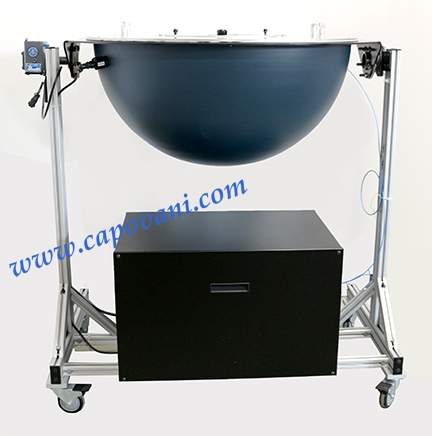
Integrating Spheres
Integrating spheres are essential instruments used to measure light and radiance with high precision by providing a uniform scattering of light within the sphere. These devices support critical calibration and measurement traceability with specifications such as sphere diameters ranging from 2 inches to 6 inches and system controls for precise illuminance.
-
-
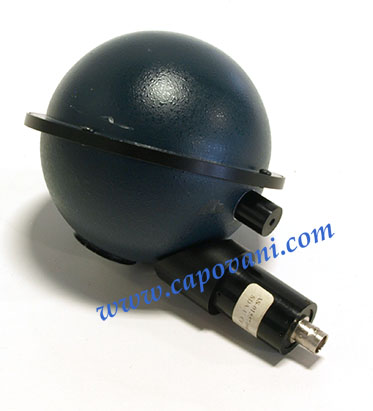
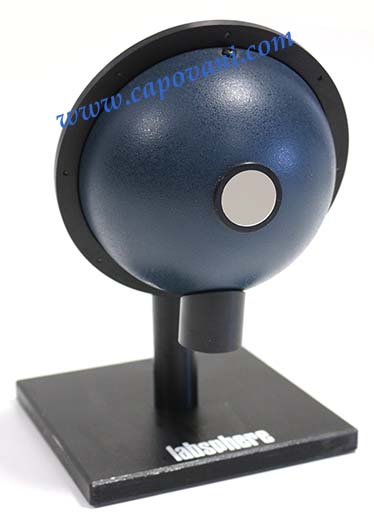
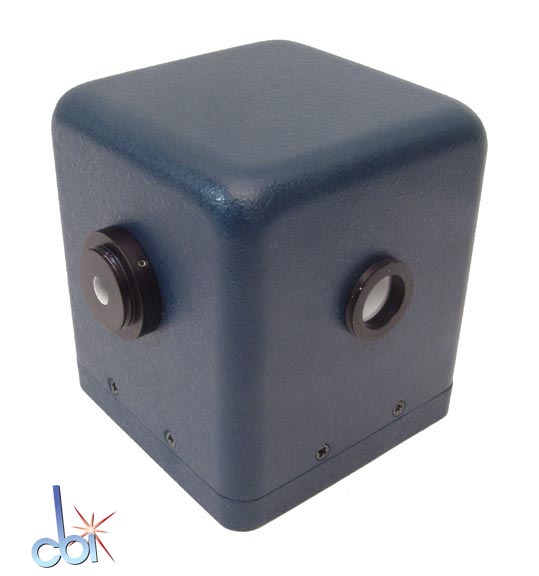
LABSPHERE INTEGRATING SPHERE, 4" DIAMETER
4" Integrating Sphere with AS-01557-000 SDA-U CE Detector
-
-
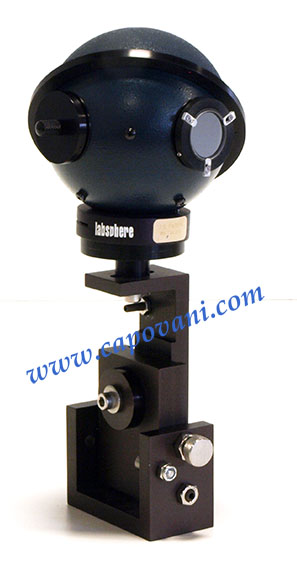
LABSPHERE INTEGRATING SPHERE, 4" DIAMETER
4" Integrating Sphere on tilting stand.
Model number unknown. Possibly a custom AdaptaSphere Series sphere. See detailed photos.
-
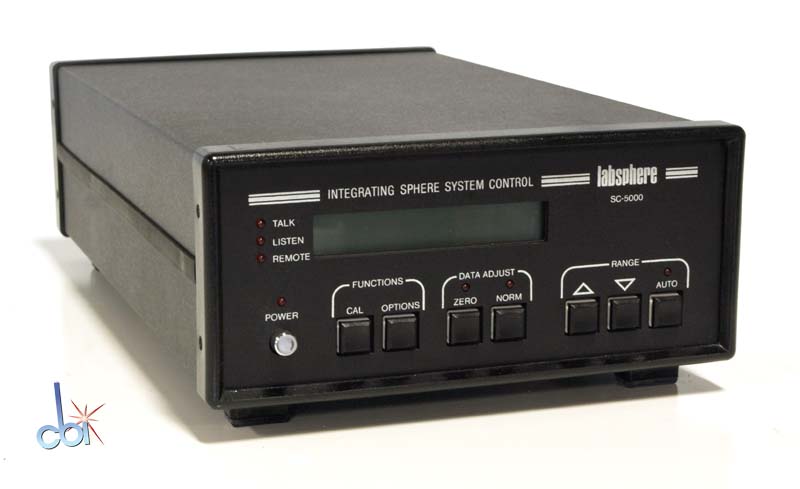
-
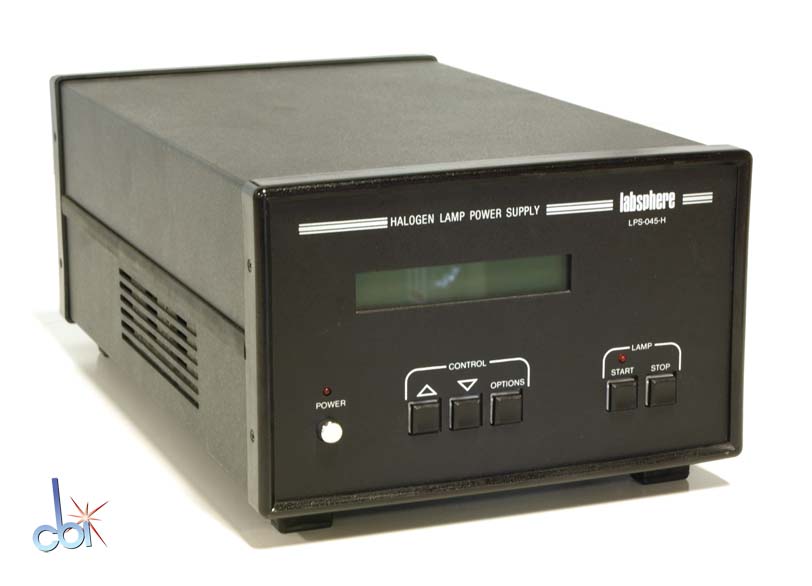
-
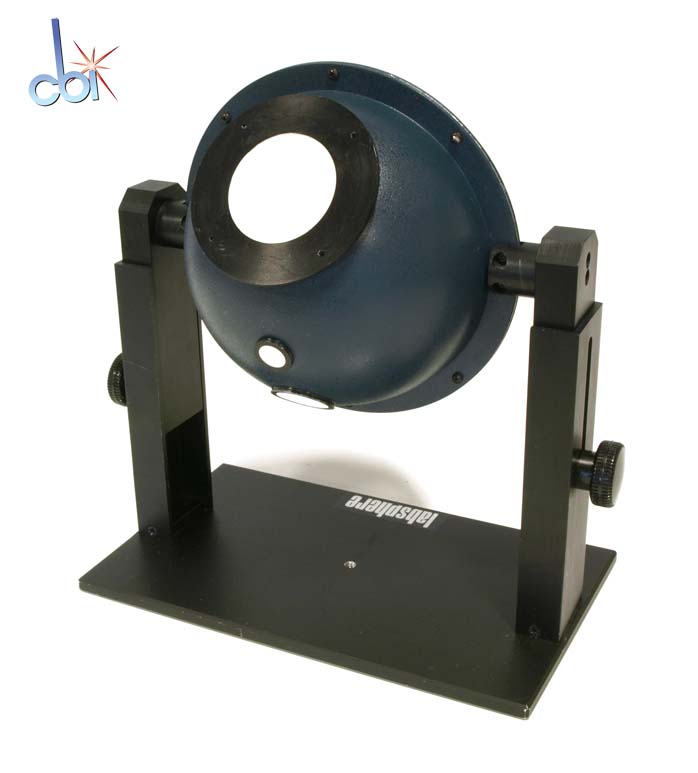
-
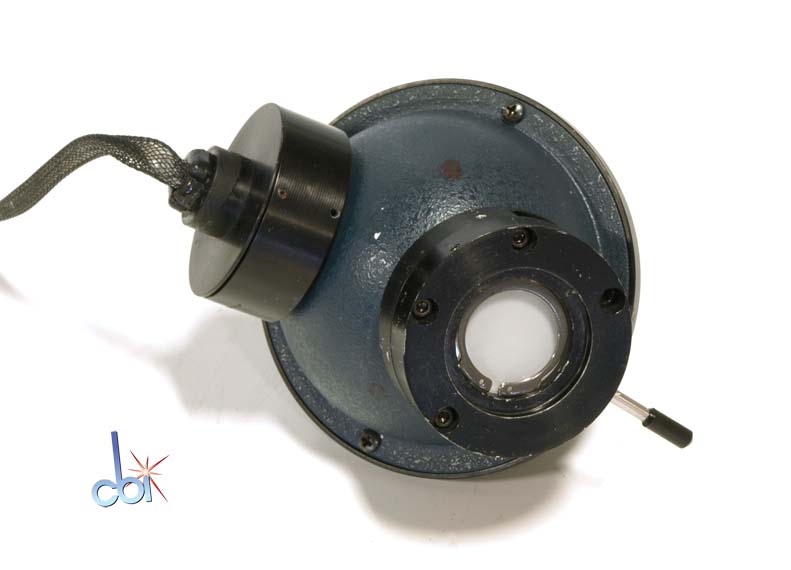
-
Common Applications
Radiance calibration
Illuminance measurement
Uniform light distribution
Optical testing
Reflectance measurement
Spectral radiance calibration
Frequently Asked Questions
What sizes do integrating spheres come in?
Integrating spheres are available in various sizes, typically ranging from 2 inches to 6 inches in diameter, allowing for different measurement needs.
How does an integrating sphere ensure uniform light distribution?
Integrating spheres use a highly reflective inner coating to scatter light evenly, ensuring a uniform radiance across the entire surface area.
What are common applications for integrating spheres?
Integrating spheres are used in applications such as radiance and illuminance calibration, light measurement systems, and uniformity testing in optical settings.
What specifications should be considered when selecting an integrating sphere?
Key considerations include sphere diameter, system control compatibility, and power supply requirements to ensure adequate performance for specific light measurement tasks.
Log in with your username/email address