
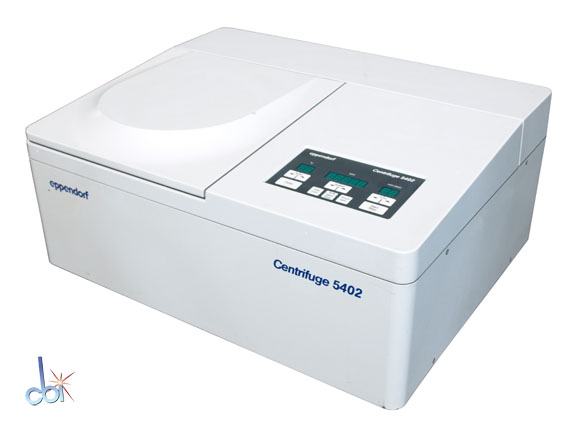
Centrifuges
Centrifuges are essential laboratory instruments used to separate components of a mixture by density through rapid spinning. They support precise measurement capabilities with top speeds reaching up to 13300 RPM, refrigeration down to temperature-specific requirements, and various rotor configurations, ensuring high-resolution and repeatability in sample separations.
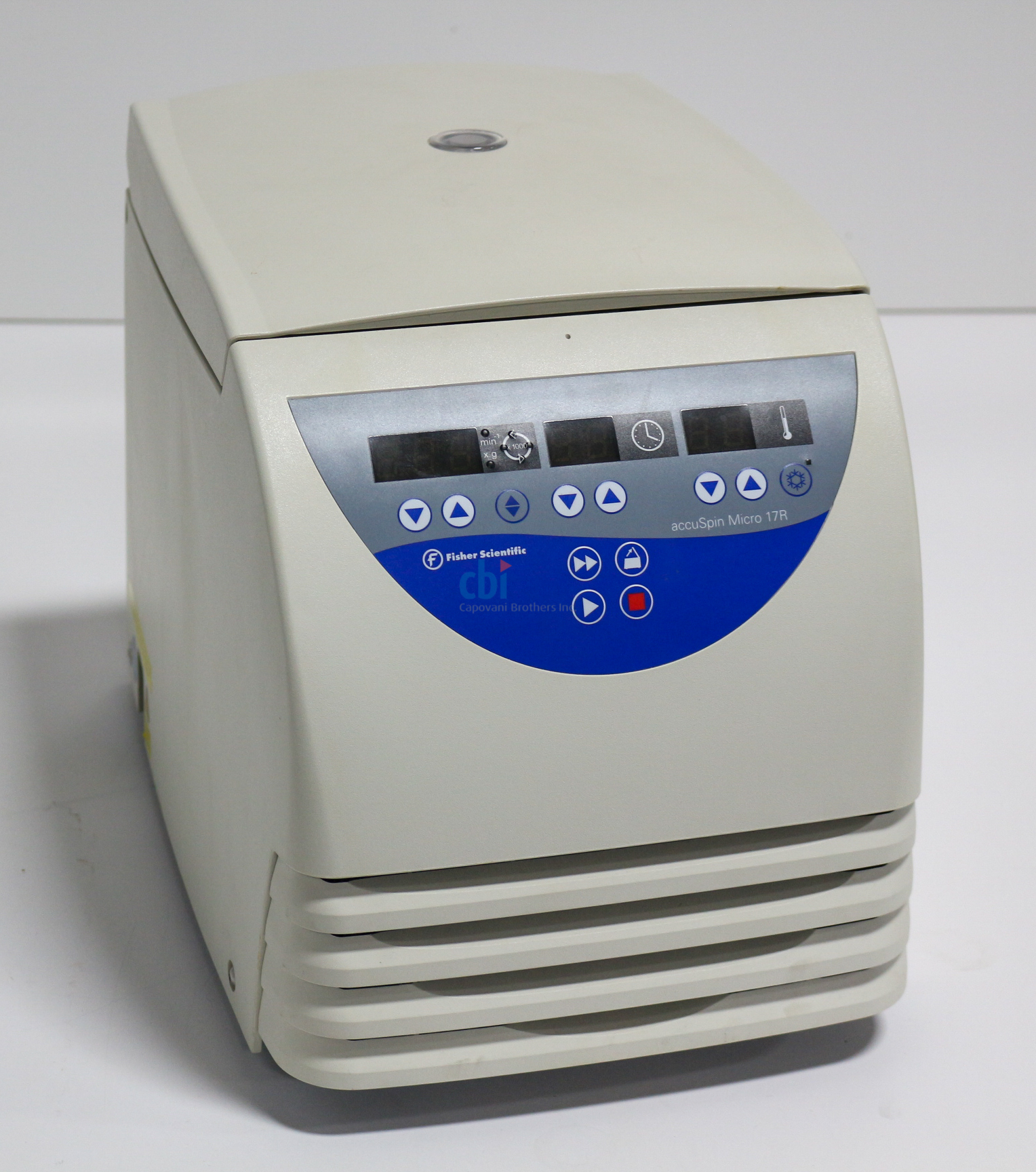
Popular Manufacturers
Common Applications
sample separation
density gradient centrifugation
protein purification
cell fractionation
nucleic acid isolation
biological research
Frequently Asked Questions
What is the maximum speed of a refrigerated centrifuge?
The maximum speed for refrigerated centrifuges listed here can reach up to 13300 RPM, allowing for efficient sample separation.
Why is refrigeration important in centrifuges?
Refrigeration helps maintain sample integrity by preventing heat-sensitive substances from denaturing during high-speed spins.
What types of samples can be separated using centrifuges?
Centrifuges can separate a wide range of samples including cells, proteins, nucleic acids, and other biological materials based on density.
How do I ensure the accuracy of a centrifuge?
Check the calibration status and specifications such as rotor type, maximum RPM, and temperature range to ensure accurate and repeatable separations.
Log in with your username/email address