
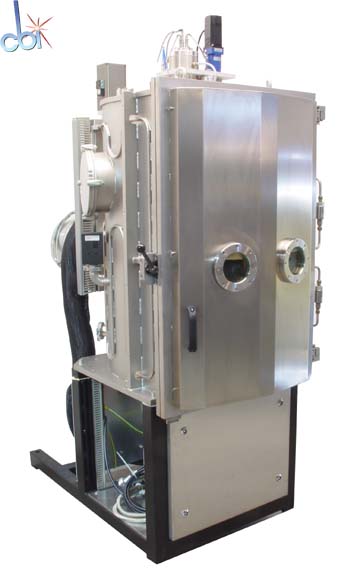
Electron Beam Evaporators
Electron Beam Evaporators are specialized instruments used for thin film deposition through precise electron beam heating of materials. With high precision control over parameters such as power ratings and deposition thickness, they ensure accurate, repeatable processes suitable for advanced material coatings.
-
-
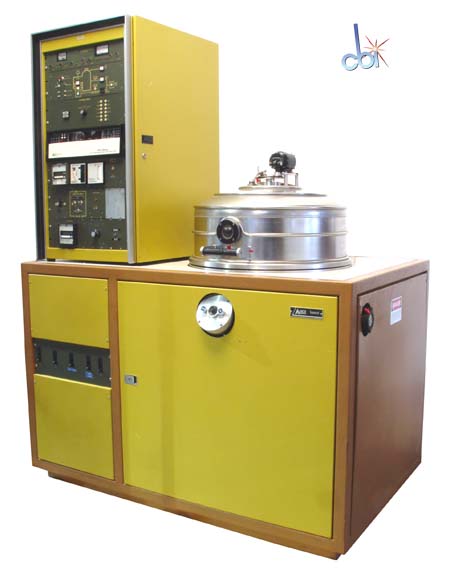
AIRCO TEMESCAL ELECTRON BEAM DEPOSITION SYSTEM, 4 POCKET
E-Beam Deposition System
-
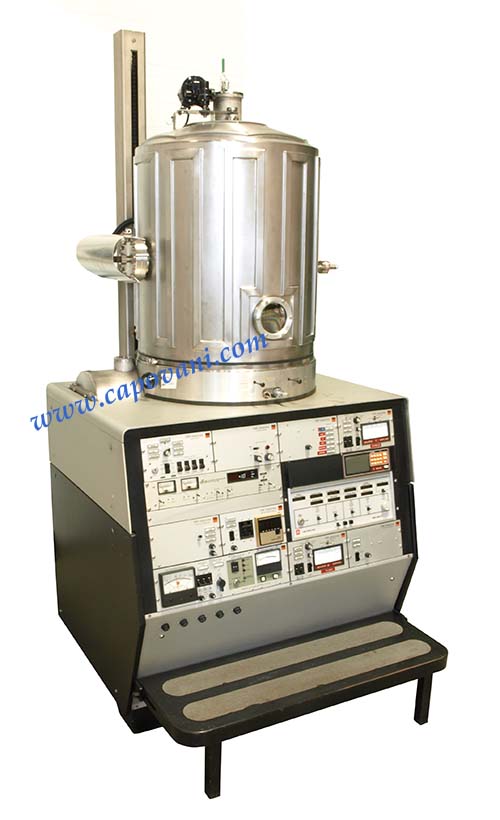
CHA SEC 1000 RAP ELECTRON BEAM EVAPORATOR
Six Pocket Ebeam Gun, (2)Resistance Sources, 6kW Heater Array, 25.5" Bell Jar, Cryo Pumped The CHA SEC-1000-RAP high-vacuum EBeam deposition system designed for use in production and research environments.
-
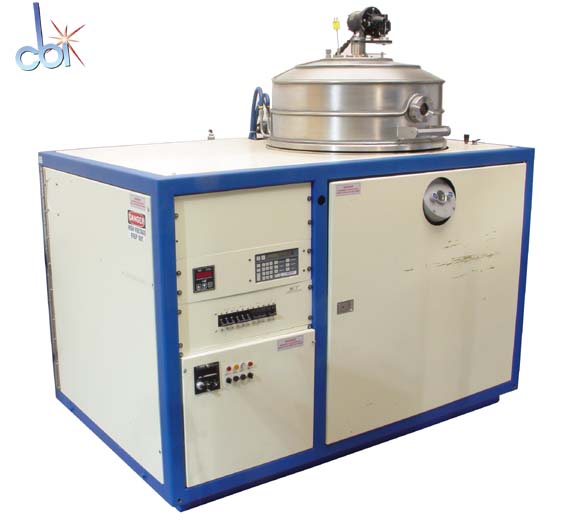
TEMESCAL HIGH VOLUME E BEAM EVAPORATOR, SIX POCKET
High Volume E Beam Evaporator
-
-
-
-
-
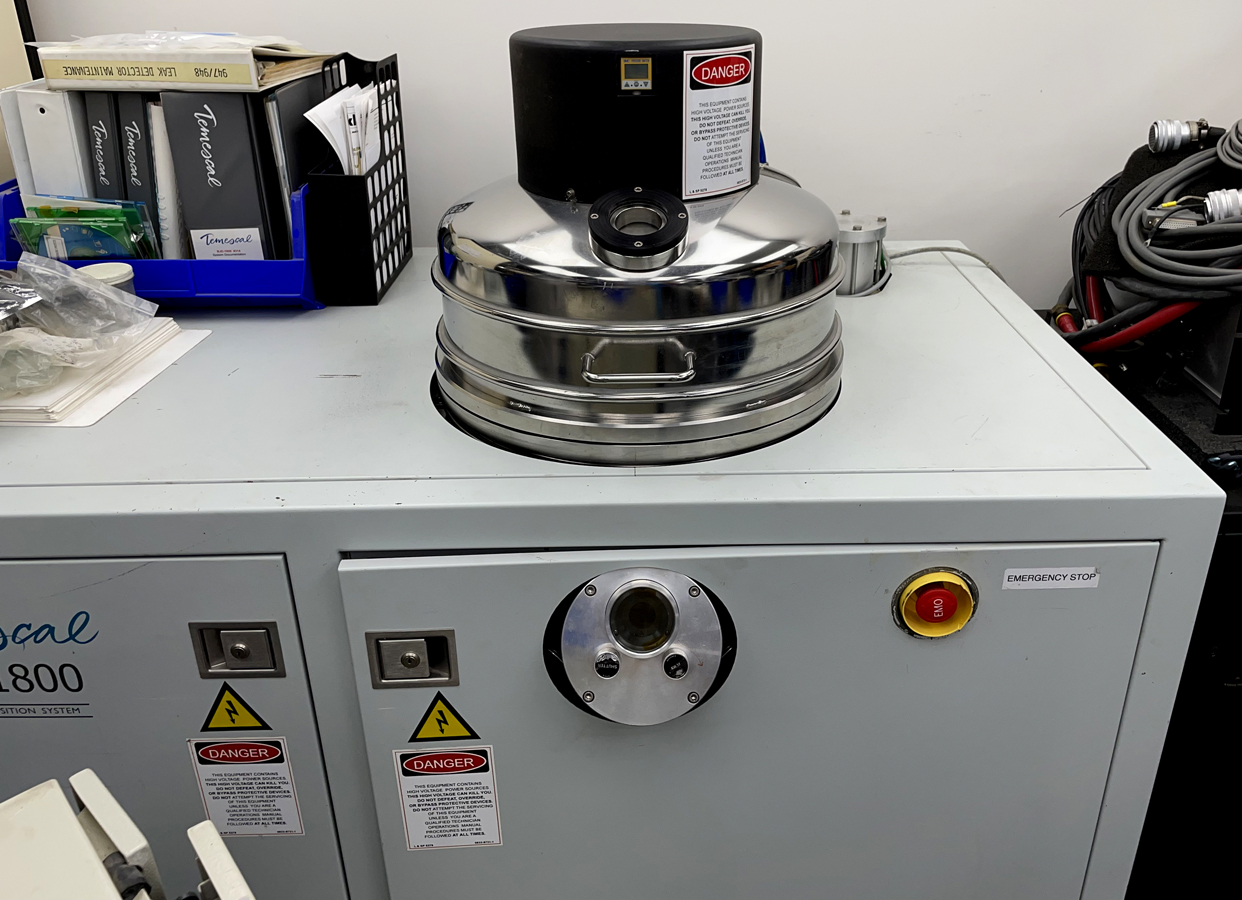
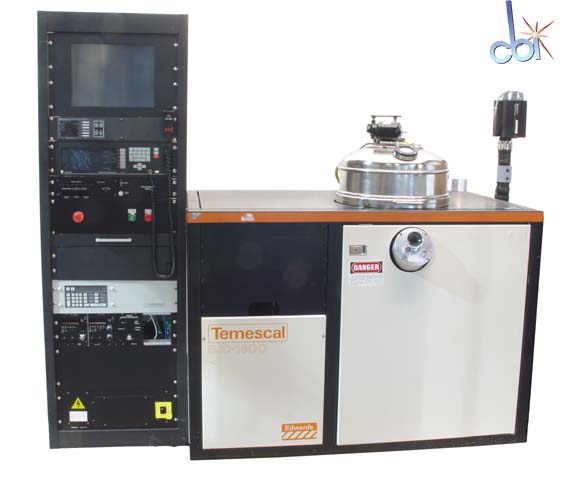
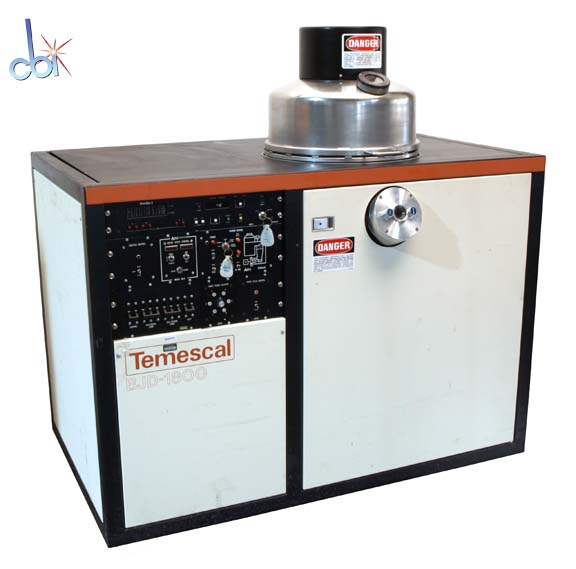
Temescal BJD-1800 Electron Beam Evaporator
TEMESCAL BJD-1800 Electron-Beam Evaporator
- PLC/PC Based Control System
- TEMESCAL Simba 2 E-Beam Power Supply
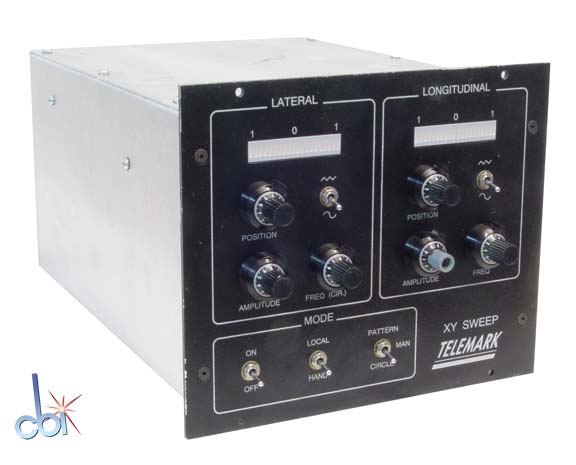
- TEMESCAL Programmable Sweep Controller
- TEMESCAL Six Pocket E-Beam Source with 15cc Crucible Pockets
- TEMESCAL TRC-3460 Turret Rotation Controller
- INFICON XTC-2 Deposition Controller
- GRANVILLE-PHILLIPS Mini-Convectron Gauges
- GRANVILLE-PHILLIPS Mini-Ion Gauges
- CTI CryoTorr 8 Cryogenic Vacuum Pump
- CTI Water Cooled Compressor
- 18” (i.d.) Stainless Steel Chamber with Motorized Lift
- Hinged Chamber Lid
- Factory Shielding Set Included
- TEMESCAL Lift-Off Fixturing for 3” & 4” Wafers – 2ea Sets Each
- EDWARDS QDP40 Dry Vacuum Pump
- Complete System Refurbishment Included
- Delivery: 6-8 Weeks
- ………….…………………………………………………………….….$110,000.00
- Pictures on Website are Before Refurbishment
-
-
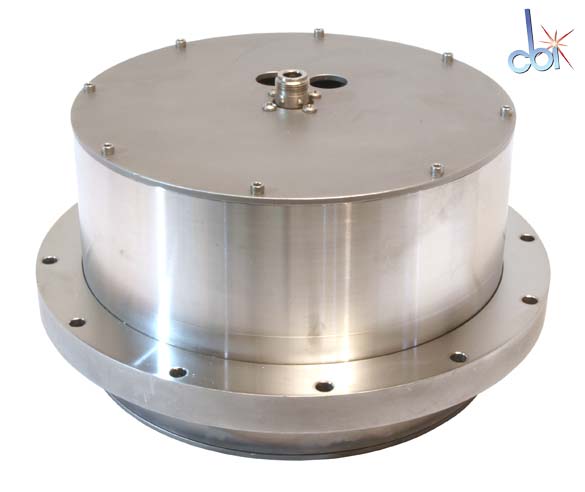
MAGNETRON SPUTTERING CATHODE, 6"
Magnetron Sputtering Cathode
Manufacturer unknown
-
Popular Manufacturers
Common Applications
thin film coating
material science research
semiconductor manufacturing
optical component fabrication
precision metal deposition
Frequently Asked Questions
What materials can be used in electron beam evaporators?
Electron beam evaporators can handle a variety of materials, including metals, dielectrics, and semiconductors, due to their high melting point capabilities.
How does an electron beam evaporator control deposition rates?
Deposition rates in electron beam evaporators are controlled by adjusting the power input and beam focus, allowing precise control over material evaporation.
What are the main advantages of using electron beam evaporators?
They provide high purity coatings, precise deposition control, and can handle a wide range of materials with varying melting points.
What is the typical power requirement for an electron beam evaporator?
Power requirements vary but typically range from several kilowatts, depending on the size of the material and the desired deposition rate.
Log in with your username/email address