
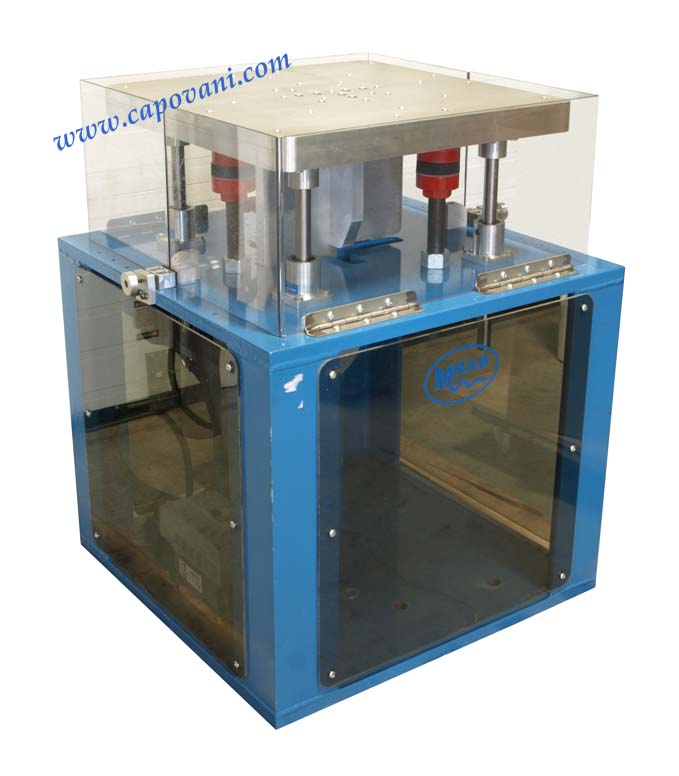
Electrodynamic Shakers
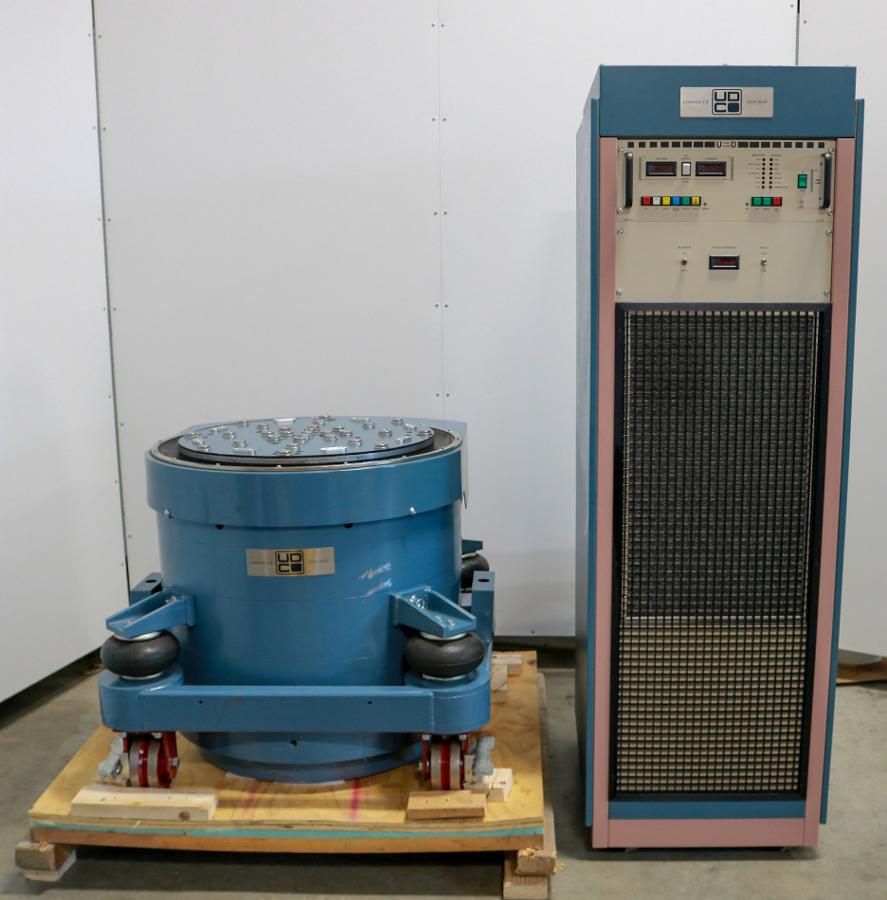
Electrodynamic shakers are high-precision instruments used to simulate vibration conditions in test environments, vital for evaluating product durability and reliability. These devices provide adjustable force parameters up to 6000 force pounds and armature diameters of up to 25.5 inches, ensuring detailed analysis with high repeatability and resolution in various testing scenarios.
-
-
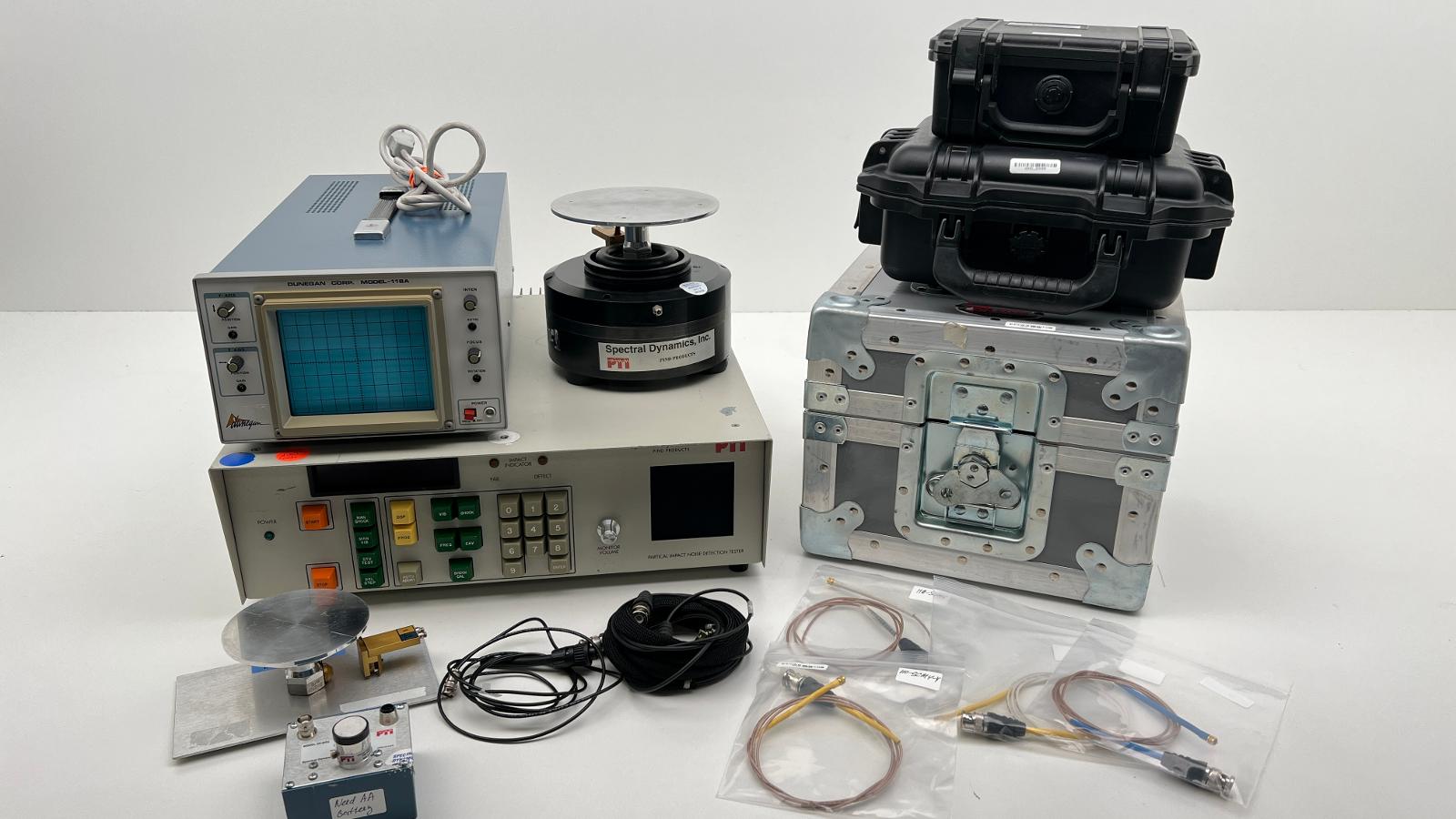
SPECTRAL DYNAMICS PIND TESTER - PARTICLE IMPACT NOISE DETECTION
Particle Impact Noise Detection Test System PIND
The 4501M has been designed to detect loose particles in electronic components such as integrated circuits, transistors, relays, and switches.
-
-
Popular Manufacturers
Common Applications
Vibration testing
Durability assessments
Reliability evaluation
Shock testing
Environmental simulation
Material testing
Frequently Asked Questions
What are electrodynamic shakers used for?
Electrodynamic shakers are primarily used for simulating vibrations to test the durability and reliability of various products and components under controlled lab conditions.
What specifications should be considered when choosing an electrodynamic shaker?
Key specifications include force capacity, armature diameter, frequency range, and control system accuracy to meet specific testing application needs.
How does an electrodynamic shaker work?
An electrodynamic shaker uses electromagnetic force to create vibrations, allowing simulation of various environmental conditions to test material and product response.
What force capacity is typical for electrodynamic shakers?
Force capacities for electrodynamic shakers can range up to 6000 force pounds, depending on the model and testing requirements.
Log in with your username/email address