
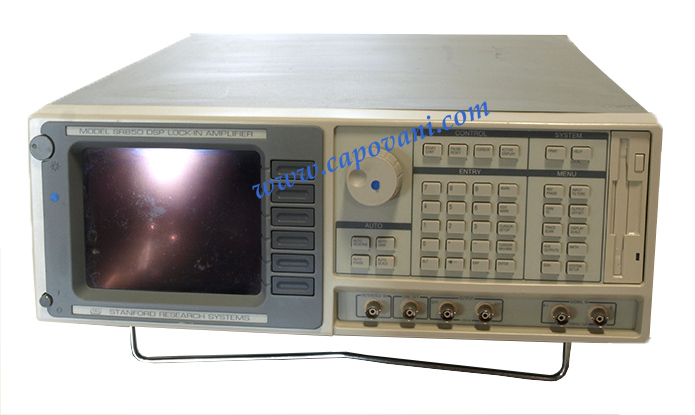
Lock-in Amplifiers
Lock-in amplifiers are specialized instruments used to extract signals with a known carrier wave frequency from noisy environments. They enhance measurement precision by providing phase-sensitive detection and are capable of measuring signals at low frequencies with high resolution, crucial for applications requiring detailed signal analysis.
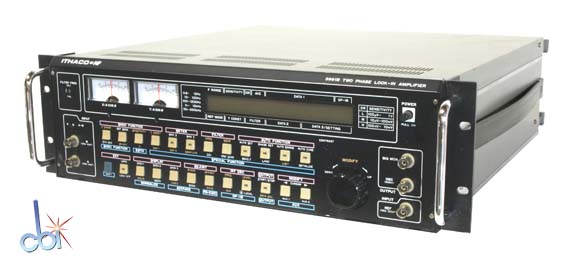
Popular Manufacturers
Common Applications
signal detection
noise reduction
optical applications
telecommunications
low-frequency measurement
Frequently Asked Questions
What is a lock-in amplifier?
A lock-in amplifier is an instrument used to measure the amplitude and phase of a signal with a known carrier frequency amidst noise.
What are the main applications of lock-in amplifiers?
Lock-in amplifiers are primarily used in applications requiring precise signal extraction and noise reduction, such as optical and telecommunications industries.
How do lock-in amplifiers enhance signal measurement?
They use phase-sensitive detection to filter out noise and isolate the desired signal, improving resolution and accuracy.
What are key specifications to consider for lock-in amplifiers?
Key specifications include frequency range, phase detection capabilities, and resolution in measuring low-amplitude signals.
Log in with your username/email address