
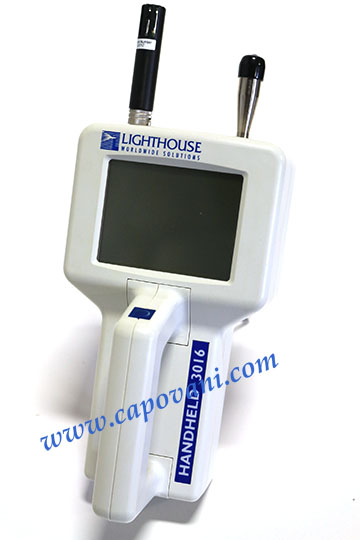
Particle Counters
Particle counters are sophisticated instruments designed to measure the concentration and size distribution of particles in various environments. They offer enhanced sensitivity and traceability, capable of detecting particles in the range of 0.1 to 10 microns with specific measurement capabilities such as laser scattering and optical detection methods.
-
-
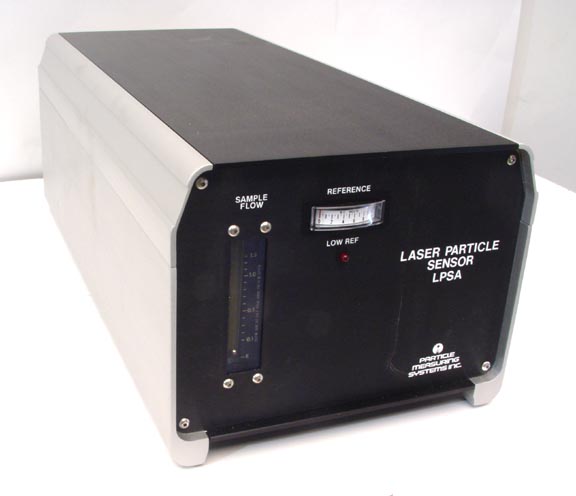
PARTICLE MEASURING SYSTEMS LASER PARTICLE SENSOR
Laser Particle Sensor New--Never Used
Particle Measuring Systems LPS A-310
-
-
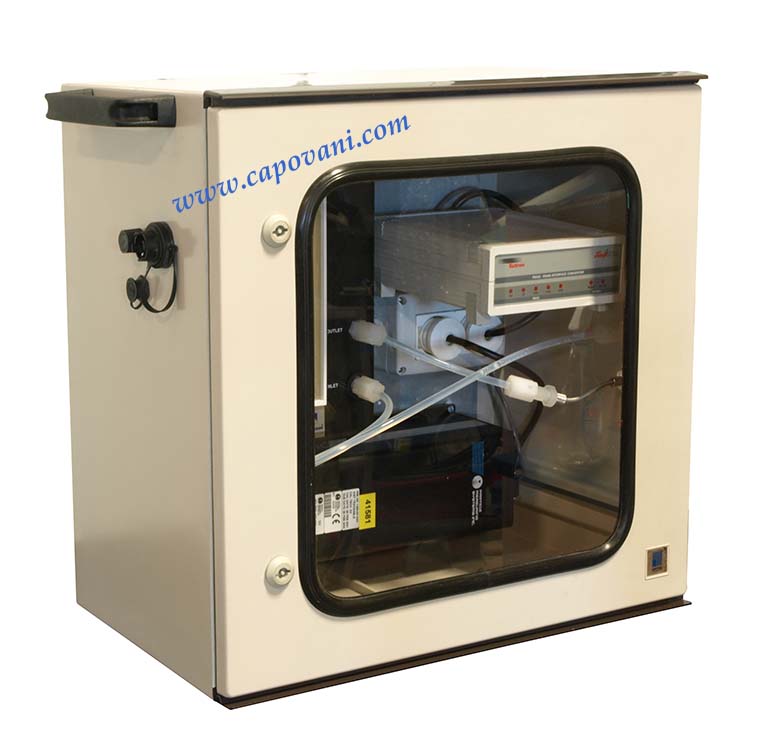
PARTICLE MEASURING SYSTEMS LIQUILAZ
Particle Counting Spectrometer for Liquids. New--Never Used
Particle Measuring Systems LiQuilaz S 02
Popular Manufacturers
Common Applications
Air quality monitoring
Water quality analysis
Cleanroom validation
Industrial hygiene
Environmental monitoring
Pharmaceutical manufacturing
Frequently Asked Questions
What types of particles can be measured by these counters?
Particle counters can measure a wide range of particles, including those in air (such as dust and aerosols) and liquids (such as contaminants in DI water), using sizes ranging from 0.1 to 10 microns.
How does a laser particle sensor work?
A laser particle sensor uses laser scattering techniques to detect and measure the size and concentration of particles by analyzing the light scattered by particles as they pass through the laser beam.
What is the importance of calibration for particle counters?
Calibration ensures the accuracy and traceability of measurements, allowing particle counters to provide precise data necessary for quality control and research applications.
Can these instruments be used for both air and liquid measurements?
Yes, certain models are designed specifically for air particle measurement, while others are optimized for liquid environments, each utilizing different detection methods suitable for their medium.
Log in with your username/email address