
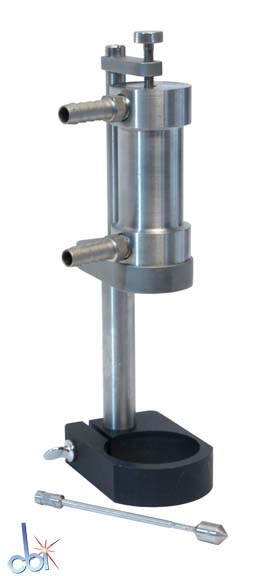
Viscometers
Viscometers are instruments used to measure the viscosity of fluids, providing essential insights into fluid flow properties. They offer precision measurement with specifications like operating temperature ranges and dynamic viscosity measurement capabilities, crucial for ensuring accuracy and traceability in laboratory settings.

Popular Manufacturers
Common Applications
Fluid viscosity measurement
Laboratory viscosity testing
Quality control of liquids
Research on fluid dynamics
Industrial process monitoring
Pharmaceutical formulation studies
Frequently Asked Questions
What is the primary use of a viscometer?
A viscometer is primarily used to measure the viscosity of fluids, which is critical for understanding the flow characteristics of materials in various scientific and industrial applications.
What specifications should I consider when choosing a viscometer?
Consider the operating temperature range, viscosity measurement range, and whether it supports the specific fluid types you need to test.
How often should viscometers be calibrated?
Viscometers should be calibrated periodically, depending on usage frequency, to ensure accuracy and compliance with laboratory standards.
Can viscometers measure non-Newtonian fluids?
Yes, certain types of viscometers are capable of measuring the viscosity of non-Newtonian fluids, although this may require specific models or configurations.
Log in with your username/email address