
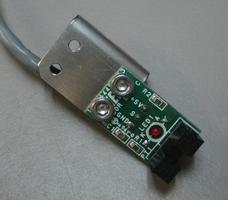
Positional Sensors
Positional sensors are devices that detect the position of an object relative to a defined point or within a set range. These sensors offer high accuracy and repeatability, often specifying resolution and sensing ranges critical for ensuring precision in measurement tasks.
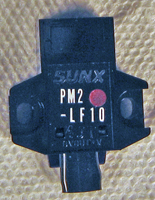

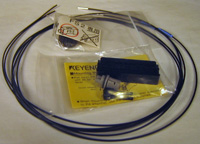
Popular Manufacturers
Common Applications
precision measurement
quality control
research laboratories
automated systems monitoring
position detection
instrumentation calibration
Frequently Asked Questions
What are positional sensors used for?
Positional sensors are used to determine the precise location of an object in applications requiring high accuracy and repeatability, often found in research laboratories and quality control systems.
How do positional sensors ensure accuracy?
These sensors ensure accuracy through their high-resolution capabilities and reliable range detection, which are critical for maintaining precision in various measurement applications.
What specifications are important for positional sensors?
Key specifications include resolution, sensing range, repeatability, and measurement accuracy, all essential for achieving precise positional data.
Can positional sensors be used in different environments?
Yes, versatility in design allows them to be used in diverse environments, though it's important to verify their operating temperature and environmental tolerances for optimal performance.
Log in with your username/email address