
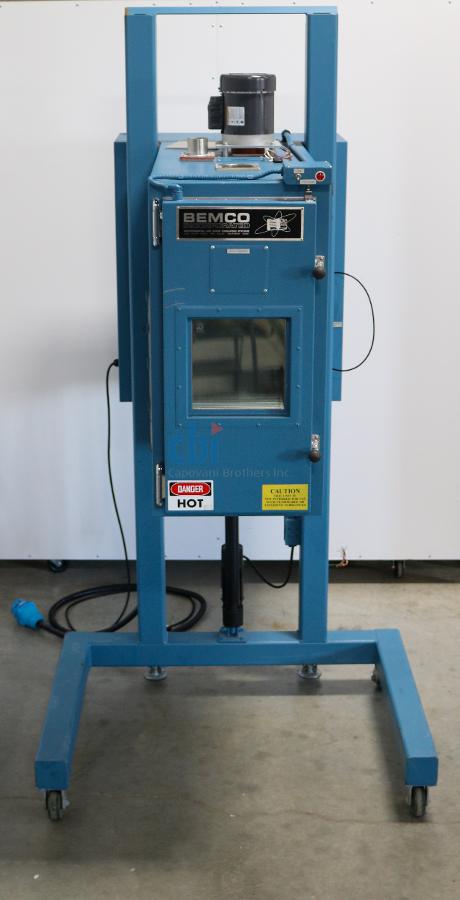
Temperature & Humidity Chambers
Temperature and humidity chambers are essential for simulating environmental conditions in research and quality testing. These chambers offer precise control with temperatures ranging from -190°C to 190°C and humidity levels tailored to your specifications, ensuring highly accurate and repeatable results.
-
-
Temperature & Humidity Chambers
CINCINNATI SUB ZERO TEMPERATURE AND HUMIDITY CHAMBER 190C
32 Cubic Foot Temperature and Humidity Chamber
-
Temperature & Humidity Chambers
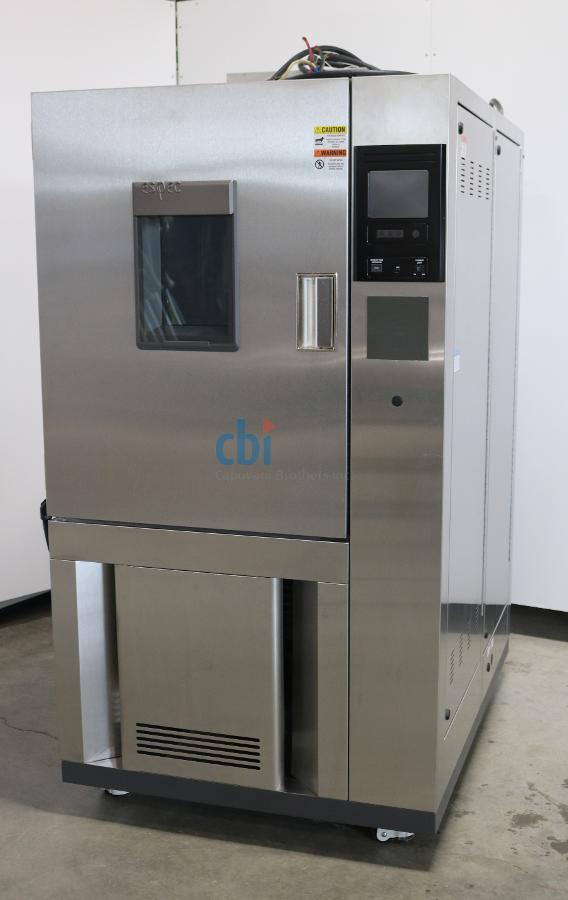
ESPEC PLATINOUS ENVIRONMENTAL CHAMBER 14 CU FT
Temperature & Humidity Chamber
-
Temperature & Humidity Chambers
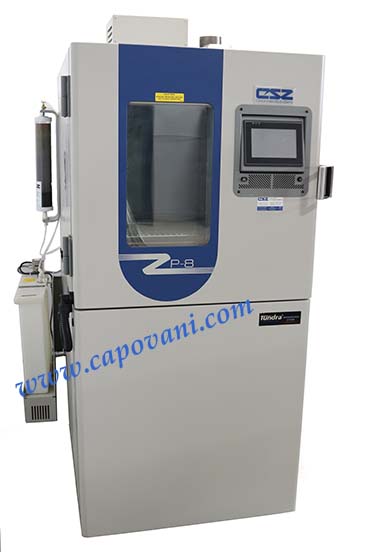
CINCINNATI SUB-ZERO TEMP/HUMIDITY CHAMBER, 8 CUBIC FEET AIR COOLED
Temperature and Humidity Chamber -- Air-Cooled Tundra Refrigeration System
-
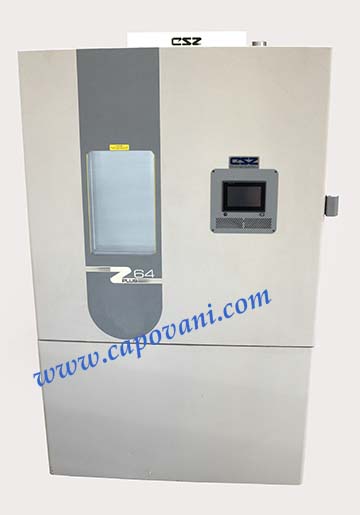
Temperature & Humidity Chambers
CINCINNATI SUB-ZERO TEMP/HUMIDITY CHAMBER, 64 CUBIC FEET AIR COOLED
Temperature and Humidity Chamber -- Air-Cooled
Popular Manufacturers
Common Applications
environmental simulation
climatic testing
quality control
material durability testing
product lifespan analysis
reliability testing
Frequently Asked Questions
What is the typical temperature range for these chambers?
The temperature range for these chambers can vary significantly but typically spans from as low as -190°C to 190°C, depending on the model and manufacturer specifications.
How do temperature and humidity chambers help in quality control?
These chambers simulate environmental conditions to test material durability, product lifespan, and reliability under controlled temperature and humidity settings, ensuring products meet quality standards.
Are these chambers air-cooled or water-cooled?
Listings indicate that many of these chambers are air-cooled, which simplifies installation and reduces water usage, making them easier to maintain.
What industries benefit from using temperature and humidity chambers?
Industries like pharmaceuticals, electronics, automotive, and aerospace commonly use these chambers for environmental testing to ensure product performance under various climatic conditions.
Log in with your username/email address