
Recirculating Chillers
Recirculating chillers are cooling devices that provide precise temperature regulation for various laboratory and industrial applications. They support consistent thermal management with specifications including cooling capacities up to 2156 watts and options for air-cooled or water-cooled configurations, ensuring reliable operation in diverse settings.
-
-

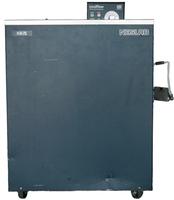
NESLAB RECIRCULATING CHILLER 2156 WATT 50HZ COMPRESSOR
-
-
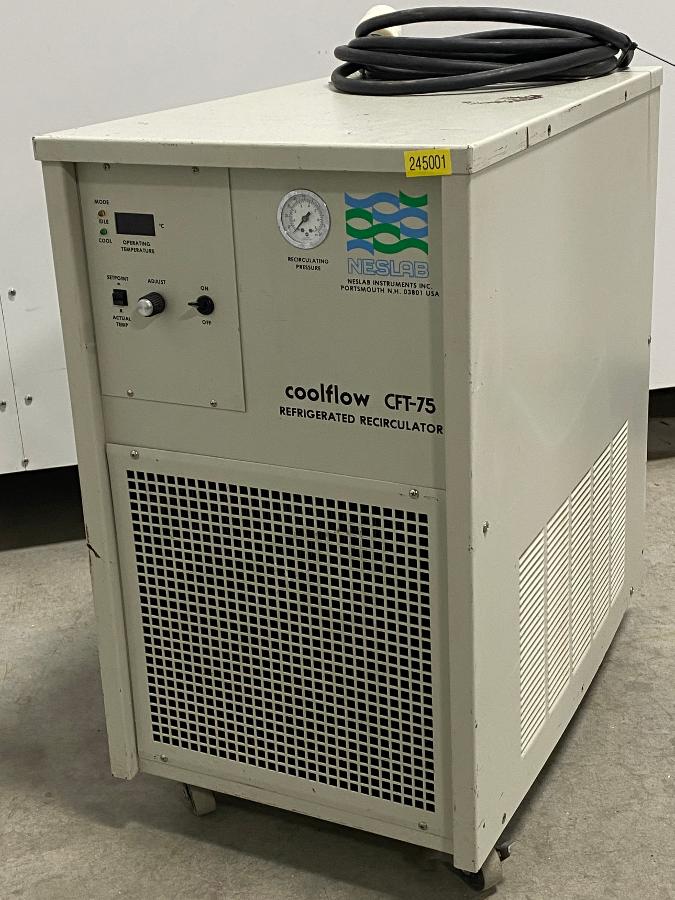
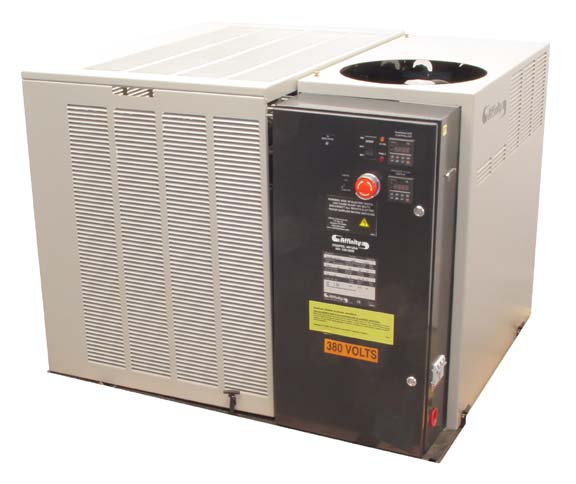
Neslab CFT-75 Recirculating Water Chiller, Air Cooled
Neslab CFT-75 Recirculating Water Chiller, Air Cooled
-
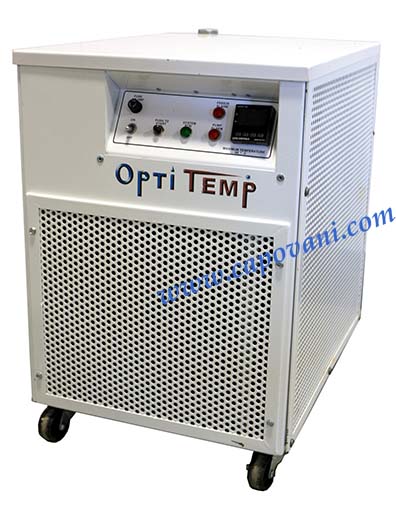
OPTI TEMP INC. AIR COOLED CHILLER, 1340 WATT
High Temperature Portable Air Cooled Chiller
-
NESLAB HX-750
Air Cooled Recirculating Water Chiller - NEEDS NEW REFRIGERATION COMPRESSOR
-
-
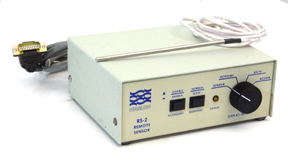
NESLAB CIRCULATOR REMOTE SENSOR ACCESSORY
Bath/Circulator Remote Sensor Accessory
-
Popular Manufacturers
Common Applications
Laboratory Cooling
Industrial Process Cooling
Precision Temperature Regulation
Chemical Processing
Medical Equipment Cooling
Electronic Device Cooling
Frequently Asked Questions
What is the cooling capacity of a typical recirculating chiller?
Typical recirculating chillers have cooling capacities ranging from 2150 watts to 2156 watts, suitable for various laboratory and industrial applications.
Are recirculating chillers suitable for both laboratory and industrial applications?
Yes, recirculating chillers are designed to provide efficient temperature control for both laboratory experiments and industrial processes.
What types of recirculating chillers are available?
Common types include air-cooled and water-cooled recirculating chillers, each offering specific benefits for different cooling needs.
How important is it to verify the chiller's specifications?
It's crucial to verify specifications such as cooling capacity, type (air-cooled or water-cooled), and power requirements to ensure compatibility with your processes.
Log in with your username/email address