
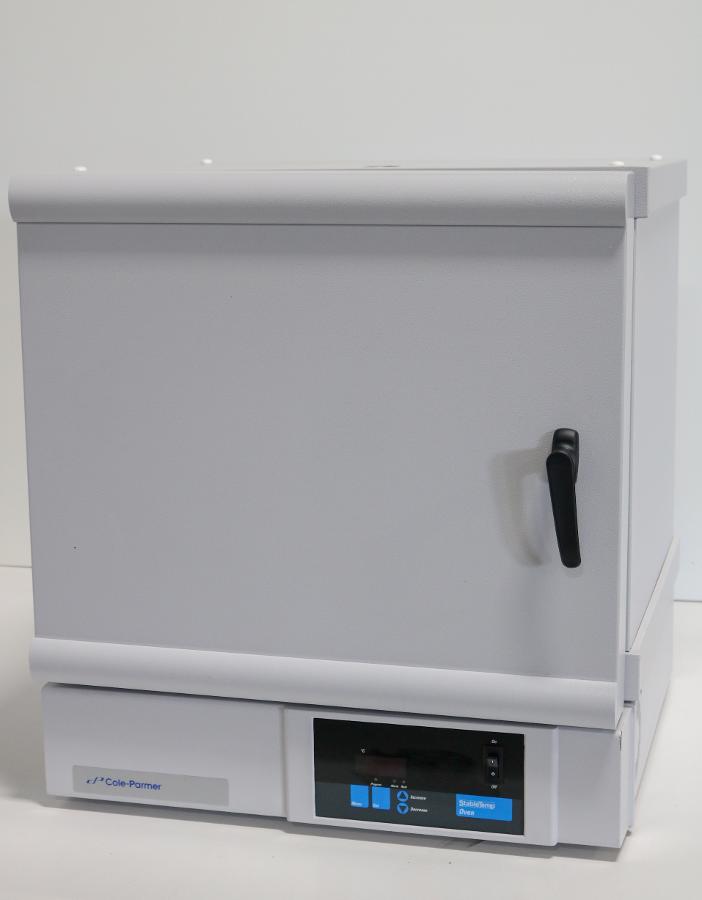
Gravity Convection Ovens
Gravity convection ovens are essential for precise temperature-controlled drying and heating in laboratory settings. They support consistent thermal distribution with maximum temperatures reaching up to 300°C, ensuring uniform results crucial for research accuracy and traceability.
Popular Manufacturers
Common Applications
Laboratory drying
Research heating
Sample preparation
Material testing
Frequently Asked Questions
What is the maximum temperature range of gravity convection ovens?
Gravity convection ovens typically offer a maximum temperature range up to 300°C, suitable for various drying and heating applications.
How do gravity convection ovens ensure uniform heat distribution?
These ovens utilize natural convection currents, where warm air rises and circulates, ensuring even temperature distribution throughout the chamber.
Are gravity convection ovens suitable for sensitive materials?
Yes, they provide gentle drying and heating with precise temperature control, making them ideal for sensitive materials that require consistent heat application.
What brands of gravity convection ovens are available?
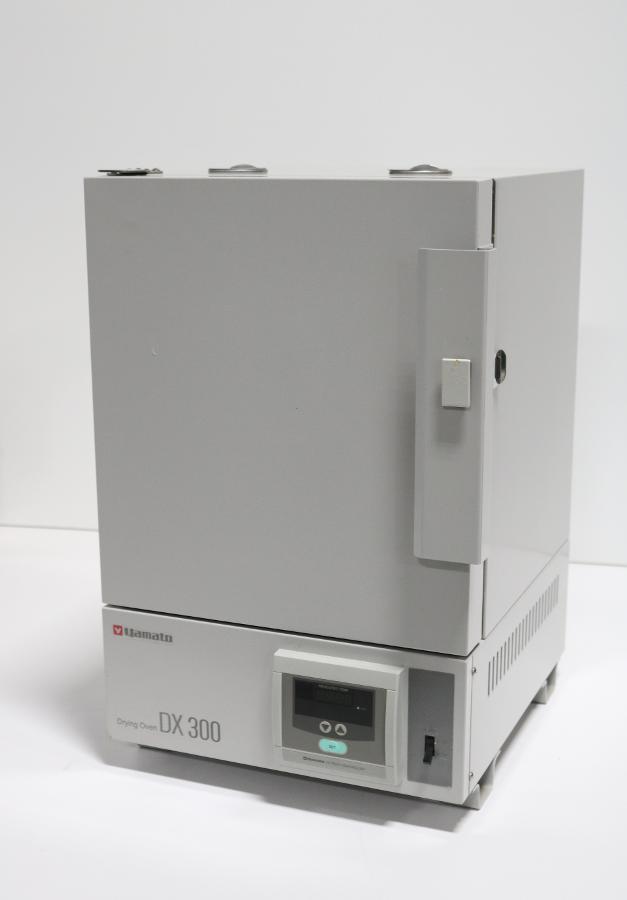
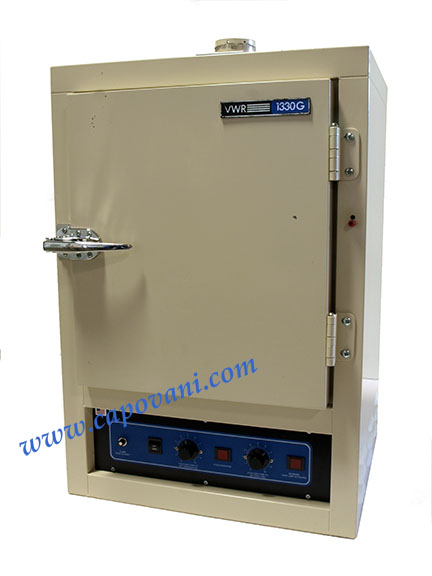
Some notable brands include VWR Scientific, Yamato, and Cole Parmer, each known for high-quality laboratory ovens.
Log in with your username/email address