Effluent Processing and Abatement Equipment

Effluent processing and abatement equipment are designed to control and treat industrial emissions, improving air quality and compliance with environmental standards. These systems offer performance metrics including flow rates of up to 450 CFM and pressure capabilities of 39 inches WC, ensuring precise management of effluent gases.

  1. EDWARDS PROCESS GAS ABATEMENT SYSTEM

    Effluent Processing and Abatement Equipment

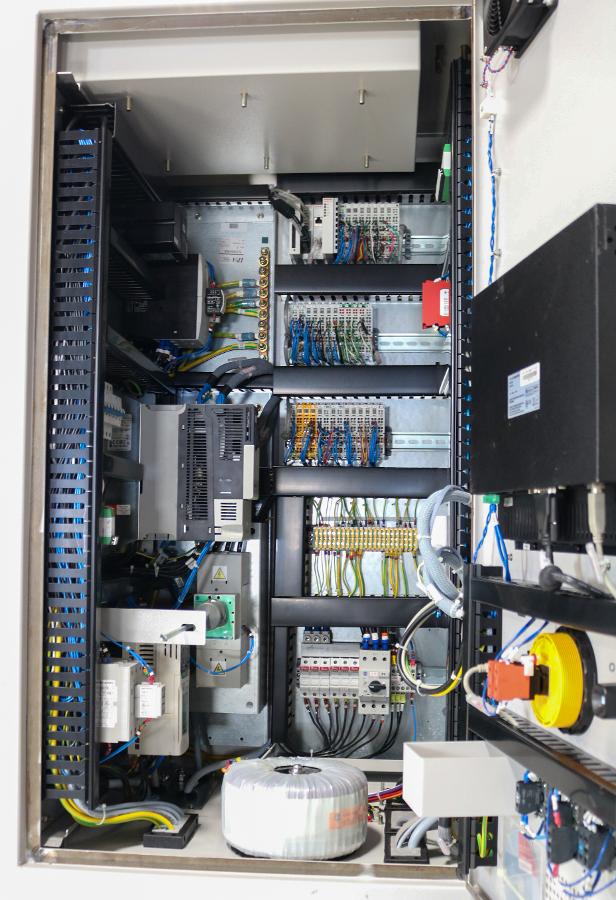
    EDWARDS PROCESS GAS ABATEMENT SYSTEM

    Never used in process.

    System was partially installed, and removed due to project cancellation. 

    Abatement Module with Wet Electrostatic Percipitator Module
Common Applications

industrial emission control

pollutant management

air quality improvement

environmental compliance

Buying Guide

Effluent Processing and Abatement Equipment Buying Guide

Choosing the right effluent processing and abatement equipment is crucial for maintaining industrial compliance and improving air quality.

Considerations should include the equipment's flow rate capabilities, pressure range, and specific abatement technology used.

  • Evaluate the system's maximum flow rate, such as 450 CFM, to ensure it matches operational requirements.
  • Assess pressure specifications, like 39 inches WC, for compatibility with existing infrastructure.
  • Verify the type of abatement technology, such as wet electrostatic precipitators, for its effectiveness in pollutant removal.
  • Consider additional features like integrated monitoring systems for real-time emissions tracking.

Frequently Asked Questions

What is the primary function of effluent processing equipment?
Effluent processing equipment primarily treats and manages industrial emissions, controlling pollutants to meet environmental standards.
What specifications should be considered for effluent abatement systems?
Key specifications include flow rates, often reaching 450 CFM, and pressure capabilities like 39 inches WC, critical for effective gas treatment.
How do abatement systems enhance industrial compliance?
These systems improve compliance by reducing harmful emissions, using technologies such as wet electrostatic precipitators to effectively capture pollutants.
What are common components of fume extractors?
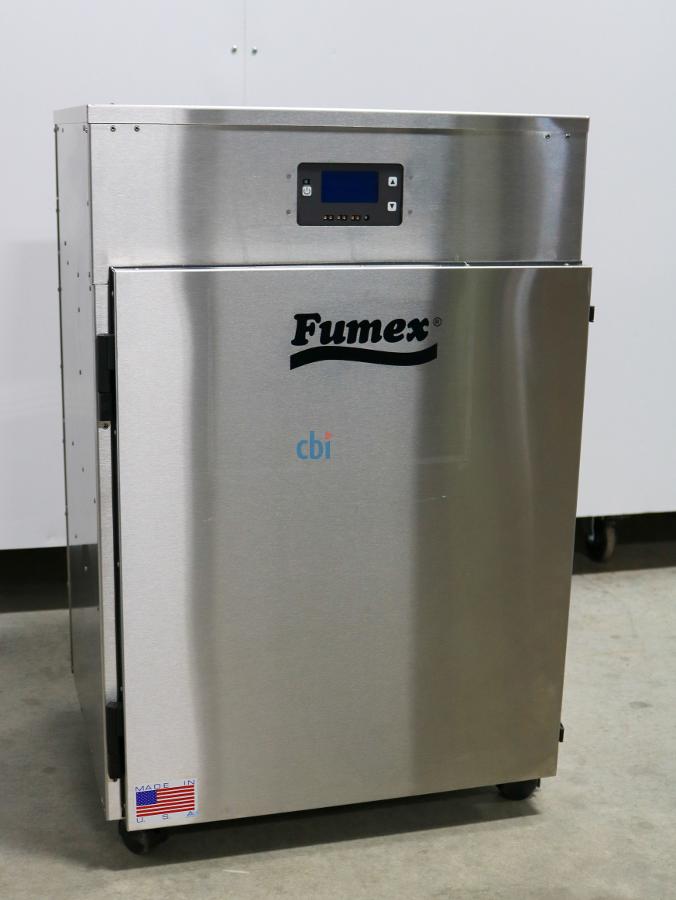
Fume extractors typically include filters and fans designed to handle specified flow rates and pressures, ensuring efficient removal of airborne contaminants.