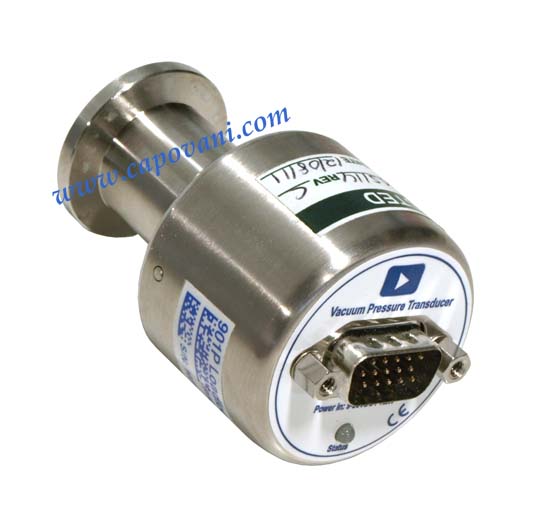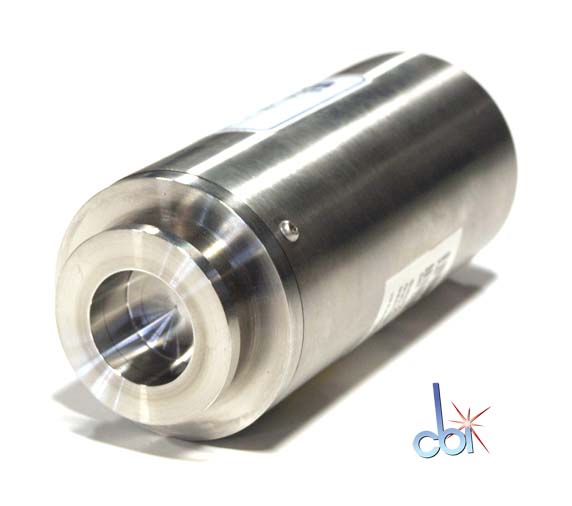
Combination Gauges

Combination gauges are multifaceted instruments designed for precise measurement of both vacuum and pressure levels within various systems. These gauges ensure high measurement accuracy with documented traceability, often featuring dual-range capabilities combined with resolution specifications suitable for stringent calibration environments.

Common Applications

vacuum measurement

pressure measurement

calibration

industrial systems

laboratory use

research and development

Buying Guide

Combination Gauges Buying Guide

When selecting combination gauges, it is essential to focus on the specific measurement needs of your application. These versatile instruments are crucial for both vacuum and pressure monitoring in various environments.

Understanding key specifications and features will aid in choosing the correct gauge for your requirements.

  • Verify the pressure and vacuum range specifications to ensure they align with your application demands.
  • Consider the resolution and accuracy of the gauge to support precise measurement needs.
  • Check for documented calibration and traceability standards to maintain measurement integrity.
  • Assess the gauge's compatibility with existing systems and its adaptability to different measurement scenarios.

Frequently Asked Questions

What are combination gauges used for?
Combination gauges are used to measure both vacuum and pressure levels, offering dual functionality in laboratory and industrial applications.
How do combination gauges ensure measurement accuracy?
These gauges provide measurement accuracy through documented calibration and resolution specifications designed to meet rigorous industry standards.
What types of combination gauges are available?
Types of combination gauges include vacuum transducers and pressure transducers, each offering unique measurement capabilities for specific applications.
What specifications should be considered when selecting a combination gauge?
Important specifications include the operating pressure range, vacuum range, resolution, and accuracy, ensuring compatibility with the intended application.