Ionization Gauges

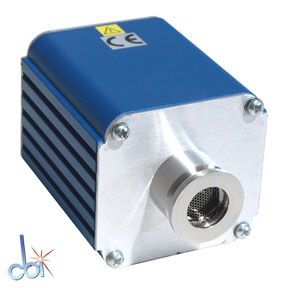
Ionization gauges are critical instruments used for measuring low-pressure environments by detecting ionized gas molecules. They support precise vacuum measurement capabilities with high sensitivity and resolution, crucial for maintaining accuracy in environments with vacuum pressures as low as 10^-10 Torr.

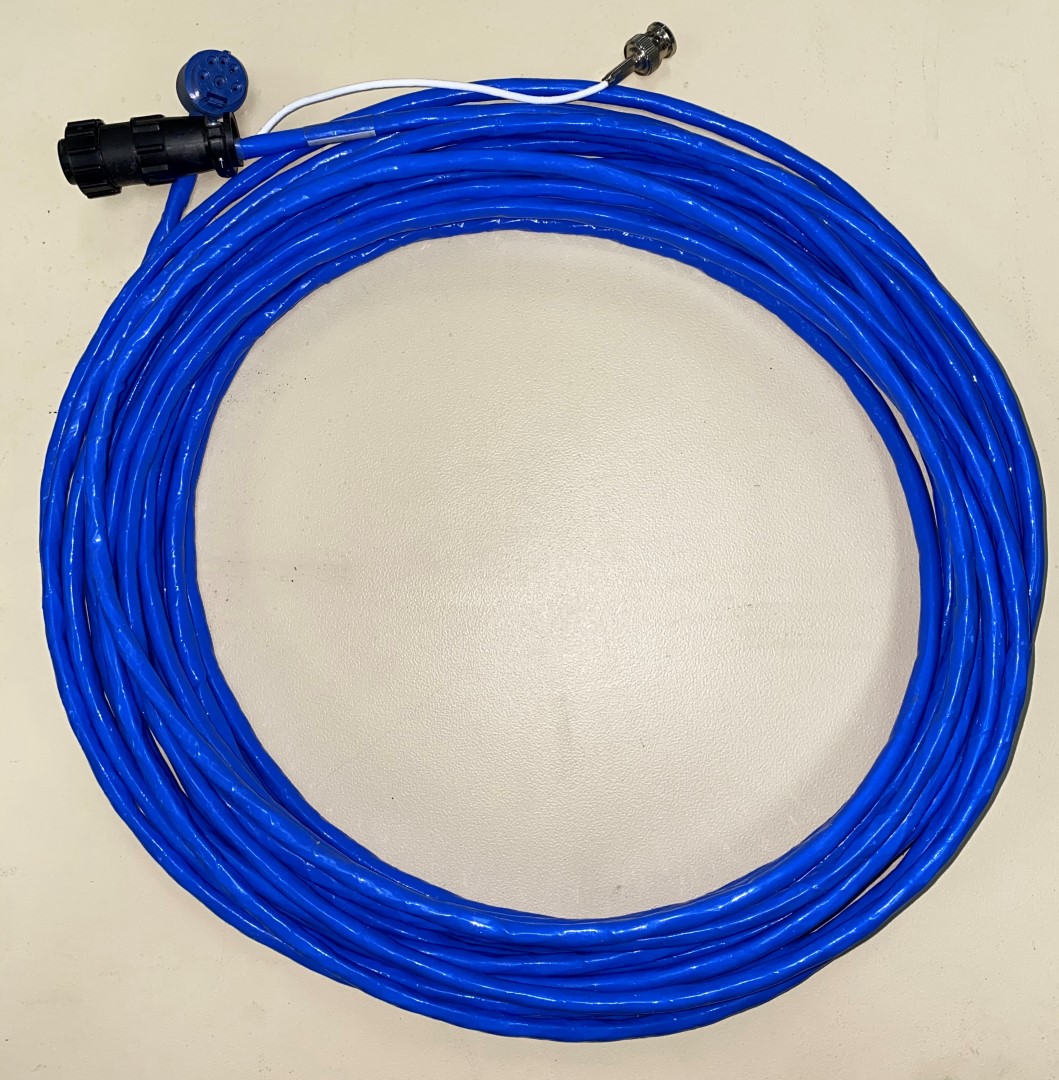
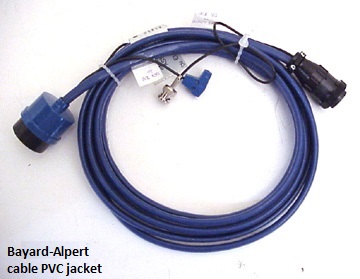
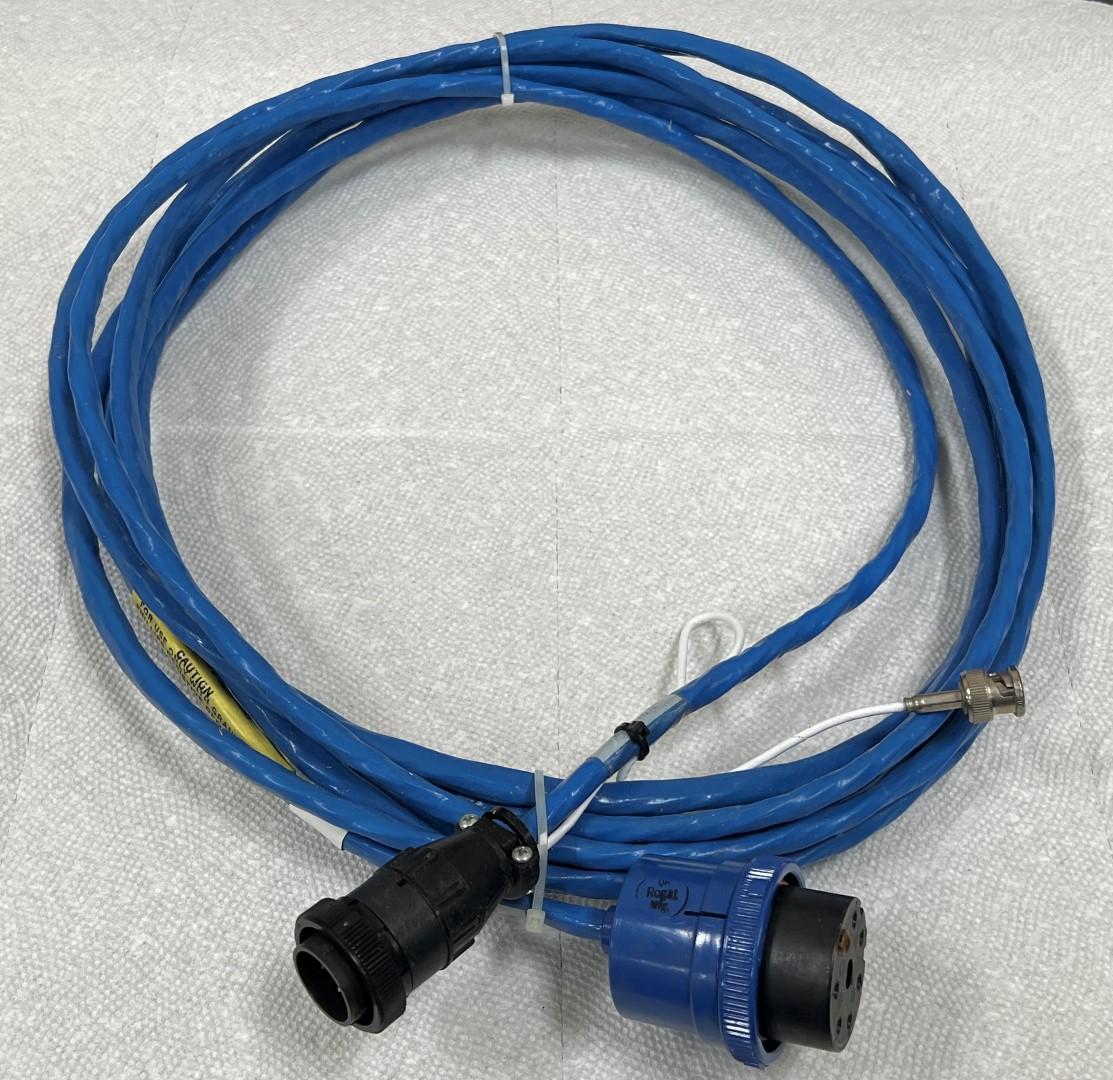
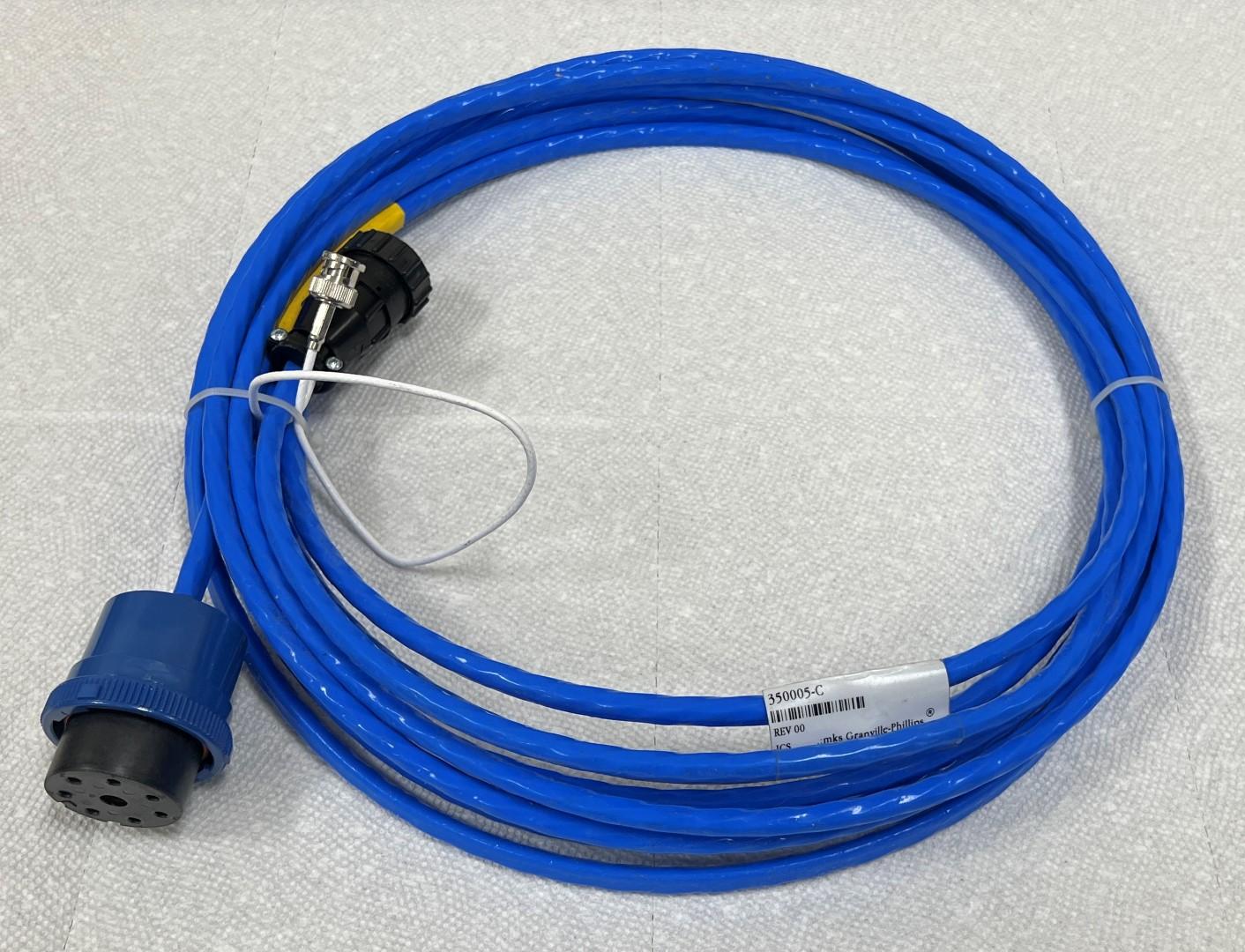
  1. MKS/Granville Phillips Cable for Nude ionization gauges

    Ionization Gauges

    MKS/Granville Phillips Cable for Nude ionization gauges

    MKS/Granville Phillips Cable for Nude ionization gauges with pin guard/locking strain relief, 22 ft
Common Applications

vacuum measurement

low-pressure monitoring

scientific research

industrial vacuum systems

Buying Guide

Ionization Gauges Buying Guide

Choosing the right ionization gauge is critical for ensuring accurate vacuum measurements in your systems.

Considerations include gauge sensitivity, pressure range capabilities, and the compatibility with existing vacuum equipment.

  • Ensure the gauge offers a pressure range down to at least 10^-10 Torr for ultra-high vacuum applications.
  • Verify the sensitivity and resolution to ensure it meets your measurement needs.
  • Assess the compatibility with your vacuum system to avoid integration issues.
  • Review available accessories and connectors for secure and reliable installation.

Frequently Asked Questions

What is the purpose of an ionization gauge?
An ionization gauge is used to measure very low-pressure environments by detecting and quantifying ionized gas molecules, essential for vacuum applications.
What are the key features to check in ionization gauges?
Key features include sensitivity, pressure range (down to 10^-10 Torr), accuracy, and compatibility with existing vacuum systems.
How does environmental temperature affect ionization gauge readings?
Temperature can impact the ionization process, potentially affecting accuracy; thus, stable environmental conditions are recommended for precise measurements.
Can ionization gauges measure all types of gases?
Ionization gauges are generally used for gases that ionize easily; certain gases may require specific calibration for accurate measurement.