
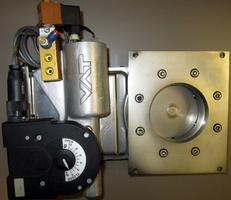
Other Vacuum Valves
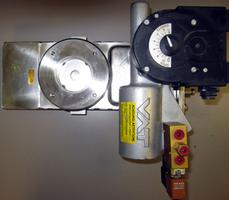
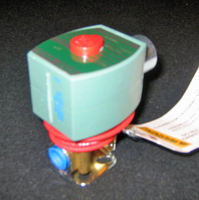
Other vacuum valves are essential components for managing the flow and pressure of gases in laboratory and industrial systems. These valves support precise control and are characterized by their tight sealing and compatibility with a range of vacuum systems, offering reliability in maintaining specified pressure ranges crucial for sensitive processes.

Common Applications
laboratory setups
industrial vacuum systems
gas flow management
pressure regulation
semiconductor manufacturing
scientific research
Frequently Asked Questions
What types of vacuum valves are available?
There are various types of vacuum valves including 2-way and slit valves, designed to handle different pressures and flow rates efficiently.
How do vacuum valves maintain pressure?
Vacuum valves use tight sealing mechanisms and robust designs to effectively maintain and control pressure within specified ranges.
What are common applications for these valves?
Common applications include regulating gas flows in laboratory setups and maintaining desired pressure levels in industrial vacuum systems.
What specifications should be checked when selecting vacuum valves?
When selecting vacuum valves, important specifications to review include pressure rating, material compatibility, and sealing effectiveness.
Log in with your username/email address