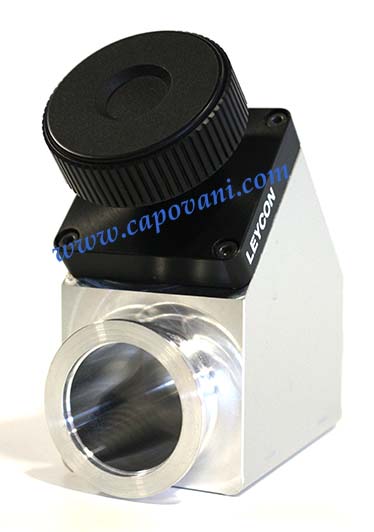
Vacuum Straight-Through Valves

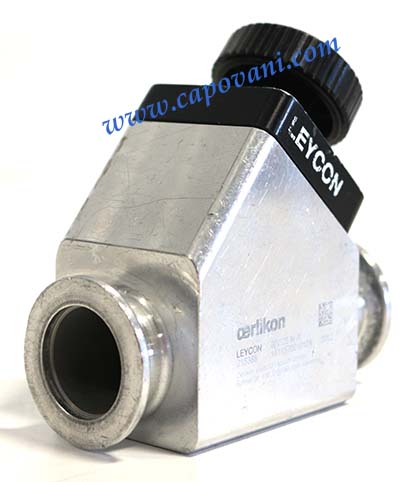
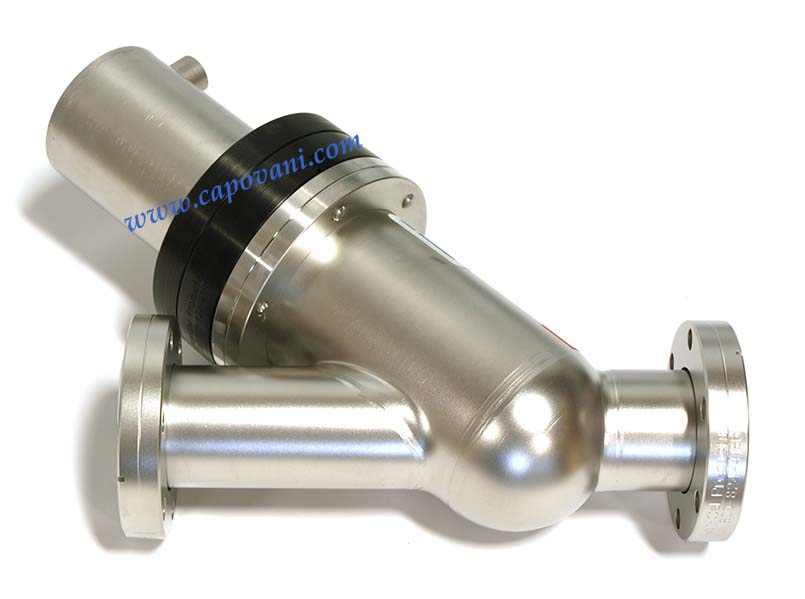
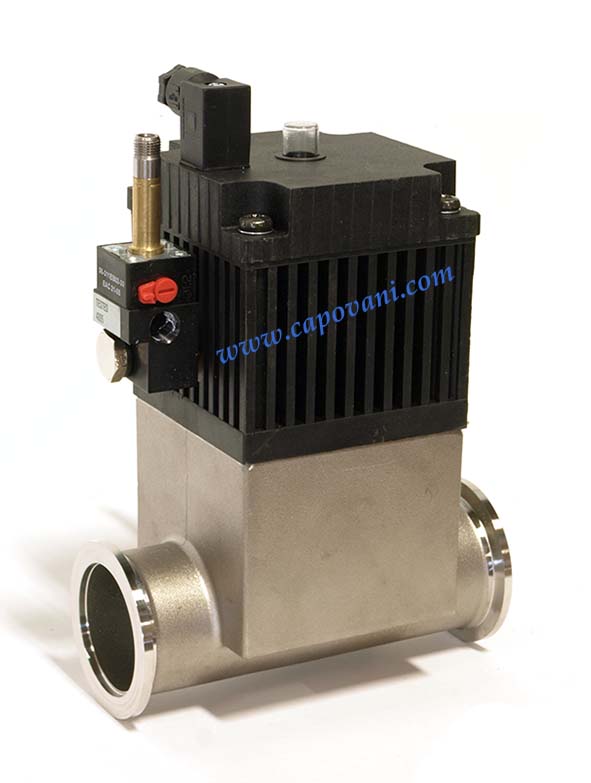
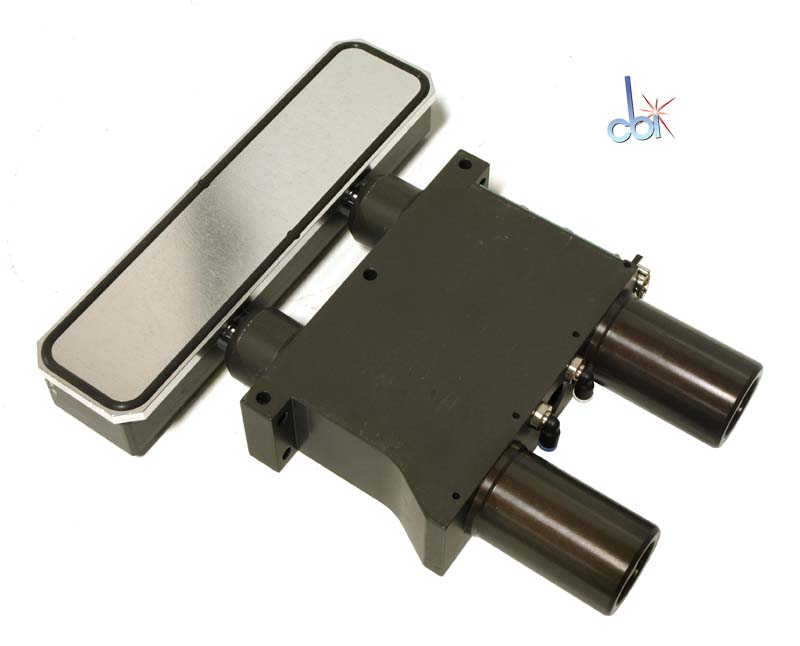
Vacuum straight-through valves are designed to allow a direct and unobstructed passage of vacuum flow, essential in systems demanding high vacuum integrity and control. They support precise measurement capabilities with options like CF 1.5" and KF25 connections, and often feature manual or pneumatic actuation for adaptable use in vacuum systems.

Common Applications

Vacuum systems

Scientific instruments

Industrial processes

High vacuum applications

Laboratory setups

Buying Guide

Vacuum Straight-Through Valves Buying Guide

Choosing the right vacuum straight-through valve involves understanding your specific vacuum system requirements. Considerations include the valve's connection type and actuation method.

For users looking for flexibility, manual options may offer simplicity, while pneumatic valves provide ease of automation.

  • Verify the valve's connection size, such as CF 1.5" or KF25, to ensure compatibility with your system.
  • Assess the actuation type; pneumatic valves are ideal for automated systems.
  • Consider the operating pressure and temperature ranges pertinent to your vacuum system needs.
  • Ensure the valve materials are compatible with the gases and environmental conditions in use.

Frequently Asked Questions

What is a vacuum straight-through valve used for?
A vacuum straight-through valve is used to allow unobstructed vacuum flow in systems where it is crucial to maintain consistent vacuum levels, such as in scientific instruments and industrial processes.
What are the key specifications of a vacuum straight-through valve?
Key specifications include the connection type such as CF 1.5" or KF25, and the actuation method which can be manual or pneumatic, allowing for flexible operation in vacuum systems.
How does the actuation type affect vacuum valve performance?
The actuation type, whether manual or pneumatic, affects the valve's responsiveness and ease of integration into automated systems, impacting overall system efficiency.
Why is precision important in vacuum valve applications?
Precision is crucial to ensure that the vacuum levels are effectively maintained, which is essential for the accurate functioning of measurement instruments and processes that rely on stable vacuum conditions.