Specialized Microscopes

Specialized microscopes are designed for unique applications requiring high precision and specific conditions. They support measurement capabilities with advanced optical geometry, brightfield and darkfield illumination, and tailored stage dimensions for improved resolution and repeatability.

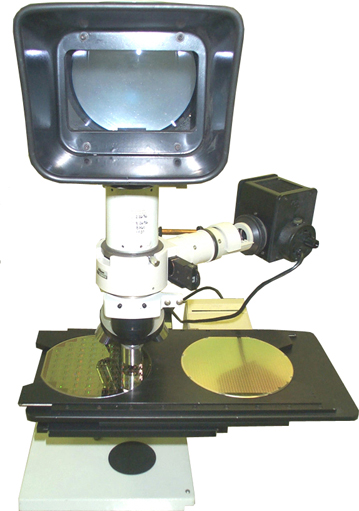
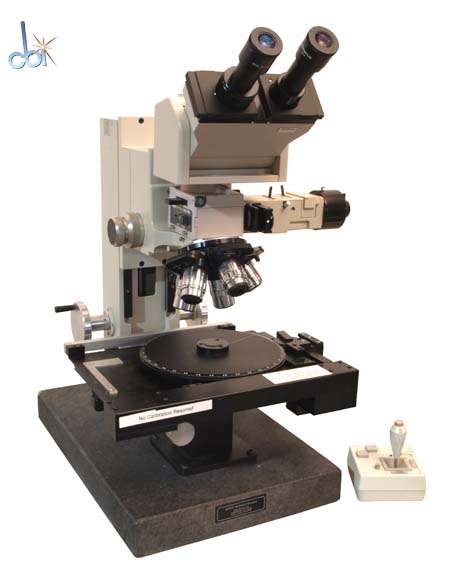
  1. OLYMPUS DISK INSPECTION MICROSCOPE/MOTORIZED STAGE

    Other Microscopes

    OLYMPUS DISK INSPECTION MICROSCOPE/MOTORIZED STAGE

    Disk Inspection Microscope/Motorized Stage
  2. BAUSCH & LOMB MICROSCOPE WORK STATION

    Other Microscopes

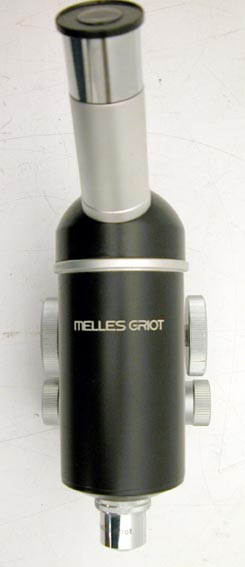
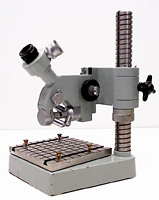
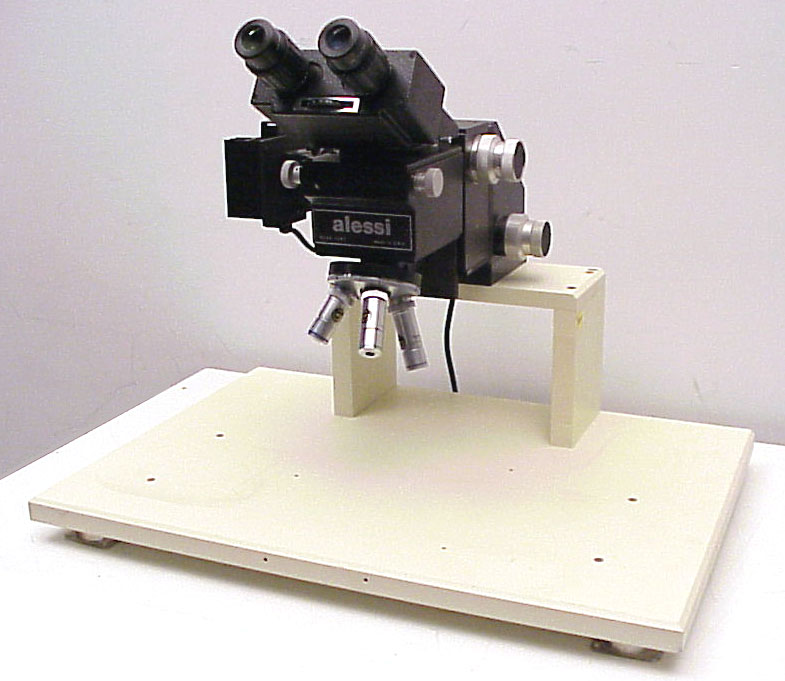
    BAUSCH & LOMB MICROSCOPE WORK STATION

    Microscope Work Station Long working distance objectives

    Make: Bausch & Lomb

    Model: MicroZoomII

    1 unit @ Best Price

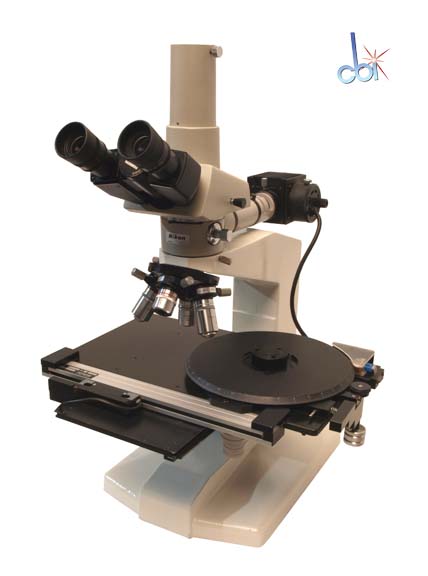
  3. NIKON LARGE SUBSTRATE INSPECTION MICROSCOPE

    Other Microscopes

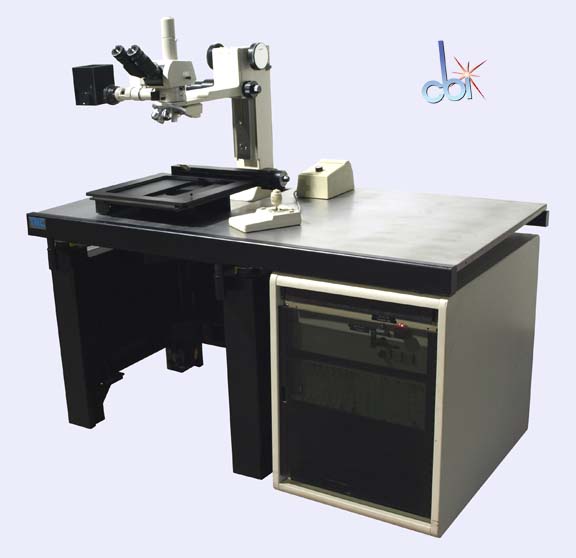
    NIKON LARGE SUBSTRATE INSPECTION MICROSCOPE

    Large Substrate Inspection MicroscopeWith Brightfield and Darkfield Illumination12" x 8" XY Stage

Common Applications

substrate inspection

disk analysis

fine focusing tasks

optical geometry experiments

section analysis

precision measurement

Buying Guide

Specialized Microscopes Buying Guide

When selecting a specialized microscope, it’s essential to understand the specific needs of your application.

Ensure the microscope supports the necessary optical geometry and illumination type for your samples.

  • Verify the resolution and repeatability specifications to meet your precision requirements.
  • Consider the stage size and its adaptability to accommodate different sample dimensions.
  • Check the availability of brightfield and darkfield illumination for versatile inspection capabilities.
  • Ensure compatibility with existing laboratory equipment or inspection systems.

Frequently Asked Questions

What are the common applications of specialized microscopes?
Specialized microscopes are commonly used for substrate inspection, section analysis, and disk inspections in research and industrial settings.
What illumination options do these microscopes offer?
These microscopes offer brightfield and darkfield illumination, providing flexibility for different sample types and analysis requirements.
Why is optical geometry important in specialized microscopes?
Optical geometry is crucial for achieving precise measurement capabilities and resolution, allowing detailed examination of samples.
What should be considered when selecting a specialized microscope for inspection tasks?
Consider the stage size, illumination options, and optical system capabilities to ensure it fits the specific inspection task requirements.