
Other Optical Instruments
Advanced optical instruments enhance measurement precision through specialized technologies for diverse applications. These instruments support high-resolution data acquisition and analysis with features such as sub-micron resolution, optical geometries, and traceability in demanding environments.
-
-
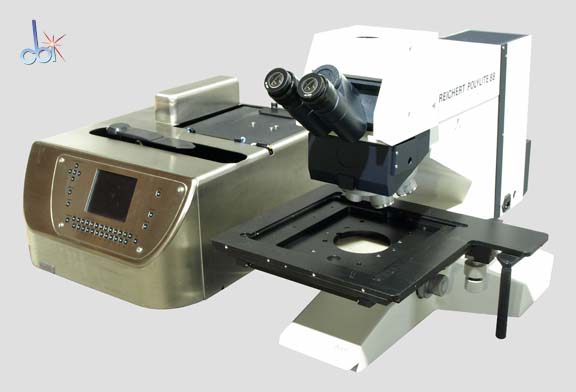
LEICA/REICHERT MICROSCOPE, MANUAL WAFER INSPECTION
Manual Wafer Inspection Microscope MicroVision MVT 1080 Wafer Loader
-
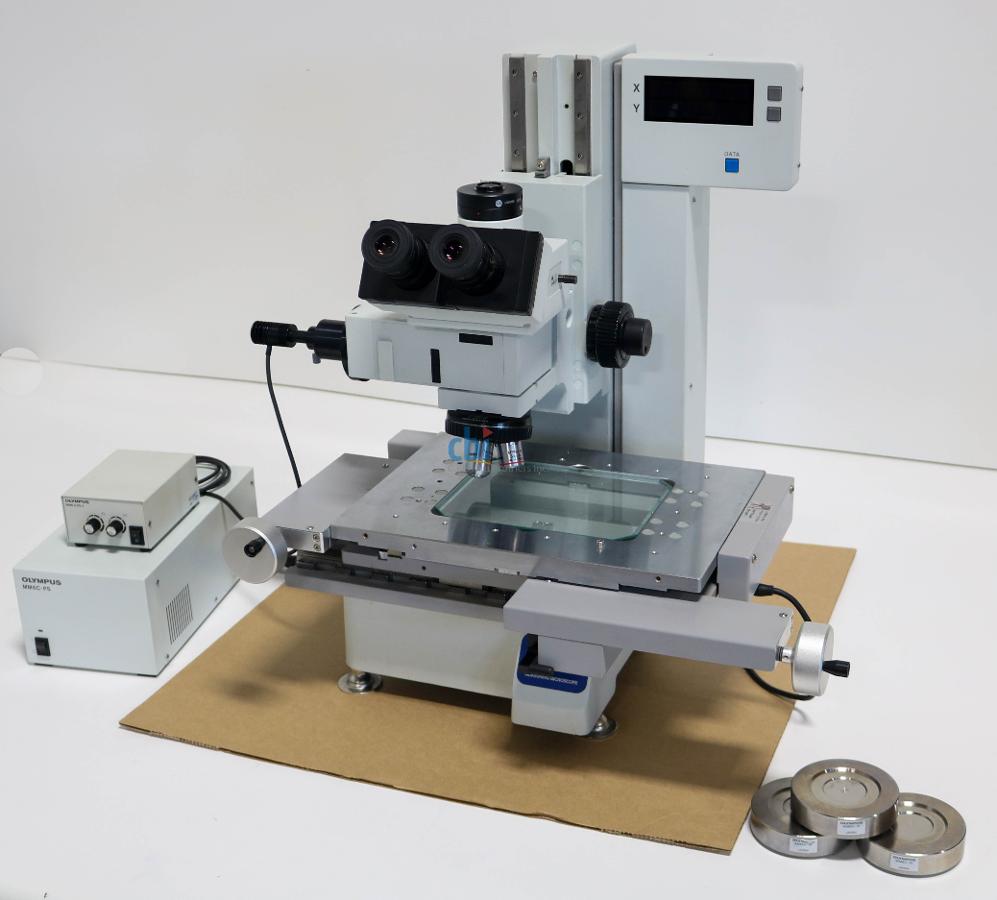
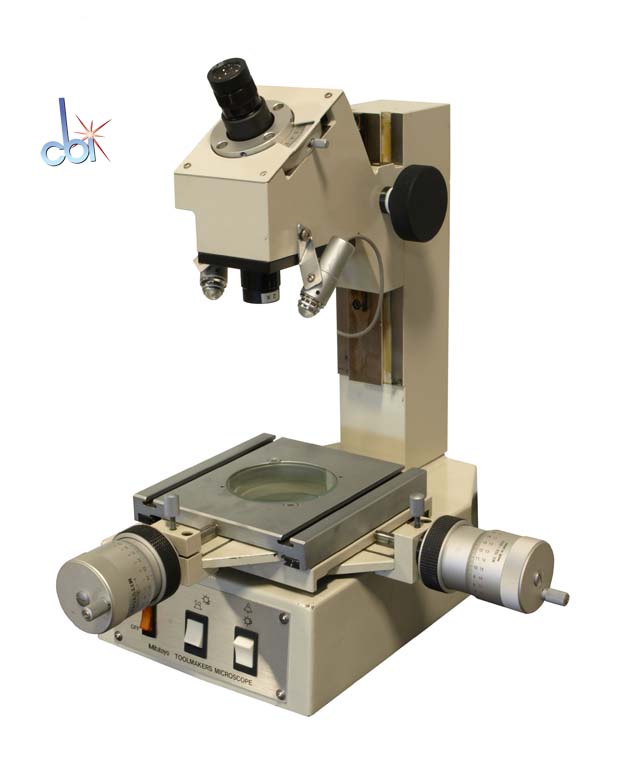
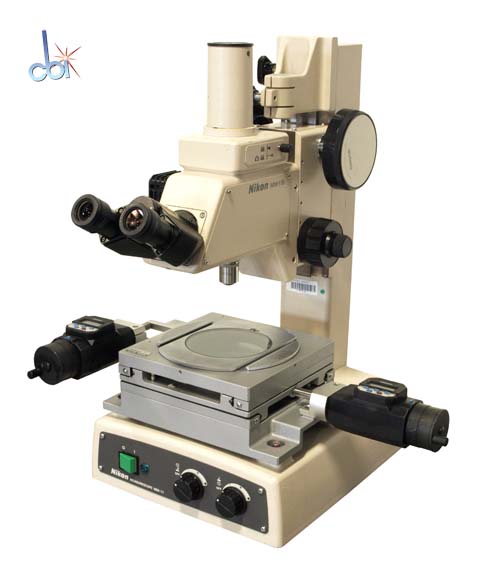
OLYMPUS TWO AXIS MEASURING MICROSCOPE 150MM X 100MM 0.5 MICRON
Olympus Measuring Microscope
-
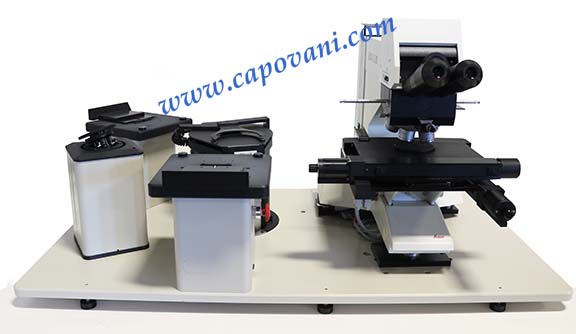
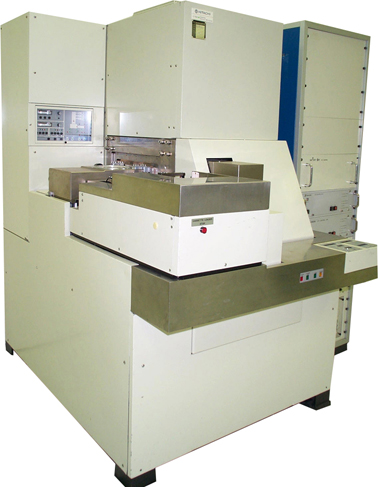
LEICA AUTOMATED WAFER INSPECTION MICROSCOPE
Automated Wafer Inspection Microscope Brightfield/Darkfield, DIC, With LEP motorized wafer transport system
-
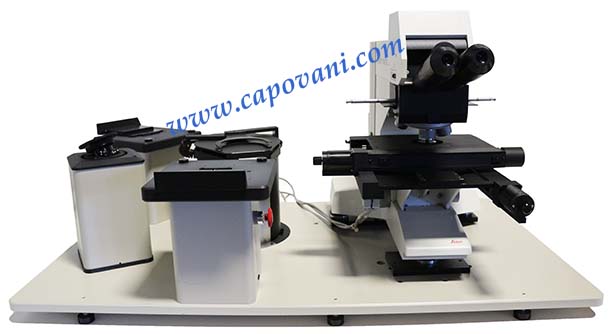
LEICA/REICHERT WAFER INSPECTION MICROSCOPE
Automated Wafer Inspection Microscope Brightfield/Darkfield With LEP motorized wafer transport system
-
-
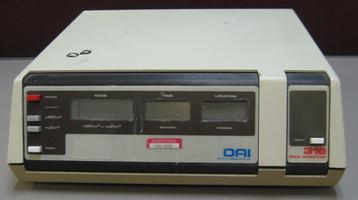
Optical Associates Inc 316 PMA Monitor
Optical Associates Inc 316 PMA MonitorPMA Monitor
-
-
-
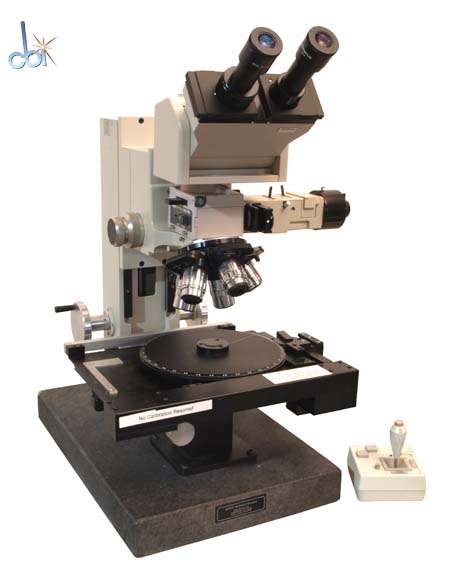
OLYMPUS DISK INSPECTION MICROSCOPE/MOTORIZED STAGE
Disk Inspection Microscope/Motorized Stage
-

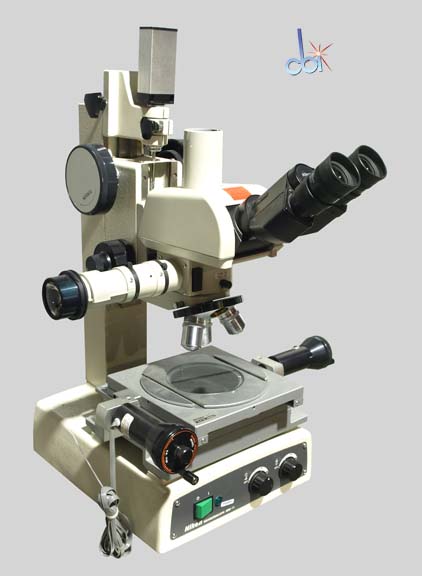
Nikon/Semprex Measuring Microscope
NIKON/SEMPREX Wafer Measuring Microscope
- 4 Position Turret
- NIKON MPlan 2.5X, BDPlan 10X, 20X & 40X Objective Lenses
- NIKON Binocular Viewing Head with 10X Widefield Eyepieces
- NIKON Vertical Illuminator with 12V/50W Halogen Lamp Housing
- Brightfield & Darkfield Channels
- Dual Iris Apertures
- NIKON Model UN Illumination Transformer
- SEMPREX Microscope Stand
- Specimen Stage 6” X 6.75”
- 2ea Mitutoyo 164-136 Digital Micrometers for XY Measurement
- 0-2” in X Axis & 0-1.5” in Y Axis; Resolution to 0.0001”
- Mitutoyo 534-223-1 Digital Micrometer for Height Measurement
- 0-1” in Z Axis; Resolution to 0.0001”
- Specimen Stage 6” X 6.75”
-
Popular Manufacturers
Common Applications
semiconductor wafer inspection
materials science research
optical component testing
Frequently Asked Questions
What types of precision measurements are supported by optical instruments?
Optical instruments support a wide range of precision measurements including sub-micron resolution imaging, spectral analysis, and surface topology assessment.
How do optical instruments ensure accuracy?
These instruments provide accuracy through calibration with traceable standards and configurations that minimize optical aberrations.
What specifications should be considered for optical instruments?
Key specifications include resolution, wavelength range, optical geometry, and calibration status to ensure precise and repeatable measurements.
What applications use advanced optical instruments?
Applications include semiconductor wafer inspection, materials science research, and optical component testing, requiring high precision and traceability.
Log in with your username/email address