Resistance Evaporators

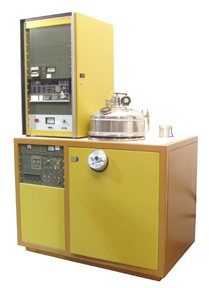
Resistance evaporators utilize controlled electrical resistance to vaporize materials for thin-film deposition. These systems provide precise deposition control with temperature ranges suitable for a variety of substrates, ensuring repeatability and uniformity in coating processes.

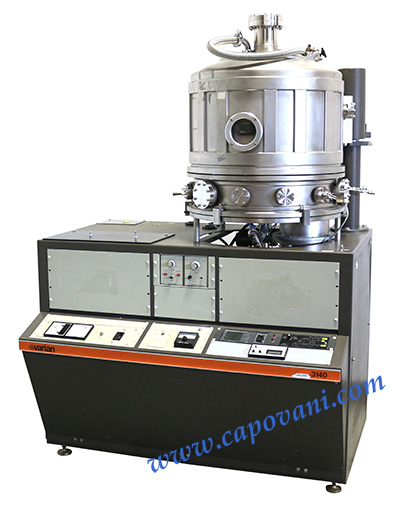
  1. VARIAN SS VACUUM CHAMBER BELL JAR AND FRAME

    Resistance Evaporators

    VARIAN SS VACUUM CHAMBER BELL JAR AND FRAME

    Vacuum Chamber A great core system for a custom project System sold AS IS

  2. PLASSYS MEB450S

    Resistance Evaporators

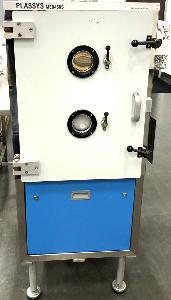
    PLASSYS MEB450S

    PLASSYS MEB450S Resistance Evaporator
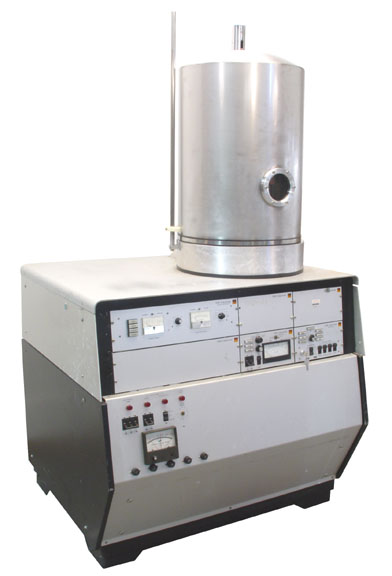
    • " X " X " X " Box Chamber with Full Opening Front Door
    • 4X Resistance Source Assembly
    • Turbo Pumped
    • PC Controlled Operation

Common Applications

thin-film deposition

semiconductor manufacturing

optical coating

surface engineering

Buying Guide

Resistance Evaporators Buying Guide

Choosing the right resistance evaporator involves understanding technical specifications and application needs. Consider the specific requirements of the materials and substrates you plan to use.

Evaluate the system's temperature control capabilities, as this affects the evaporation and deposition quality.

  • Verify the electrical power ratings to ensure compatibility with your facility's infrastructure.
  • Check for system repeatability specifications to achieve consistent coating results.
  • Consider chamber size and configuration for your specific application needs.
  • Ensure the system supports the necessary material processing capabilities for your projects.

Frequently Asked Questions

What materials can be vaporized using resistance evaporators?
Resistance evaporators are suitable for vaporizing metals and dielectrics commonly used in thin-film coatings.
How do resistance evaporators ensure uniform coating?
They provide precise electrical resistance control, ensuring uniform evaporation and deposition across substrates.
What is the typical operating temperature range for resistance evaporators?
These systems often operate within a wide temperature range tailored to the specific material requirements, ensuring optimal coating conditions.
Why is repeatability important in resistance evaporators?
Repeatability ensures that each coating layer maintains consistent quality and thickness, crucial for high-performance applications.