Vacuum In-Line Valves

Vacuum in-line valves are essential components for controlling the flow of gases in vacuum systems, providing reliable sealing and flow management. These valves support precision operations with specifications such as KF flange sizes (e.g., KF25, KF40), manual or pneumatic actuation, and robust construction materials suitable for high-vacuum applications.

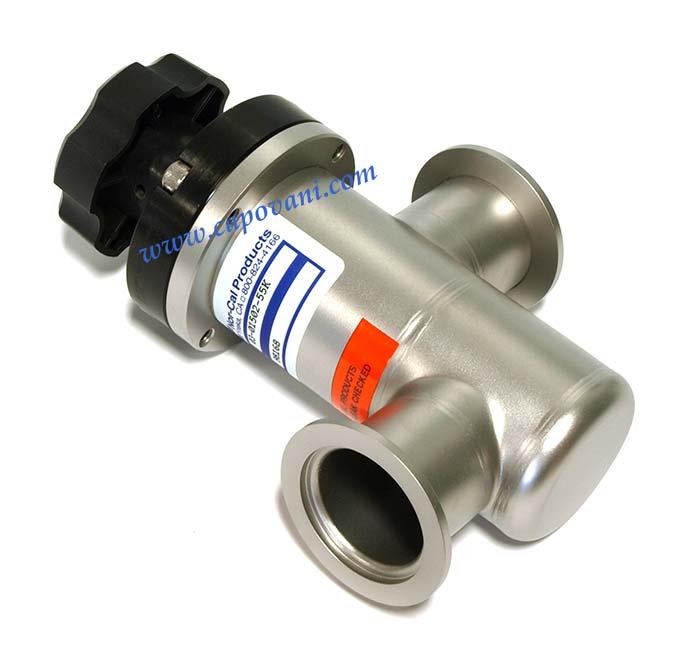
  1. KEY HIGH VACUUM PIEZOELECTRIC GAS FLOW VALVE

    Vacuum In-Line Valves

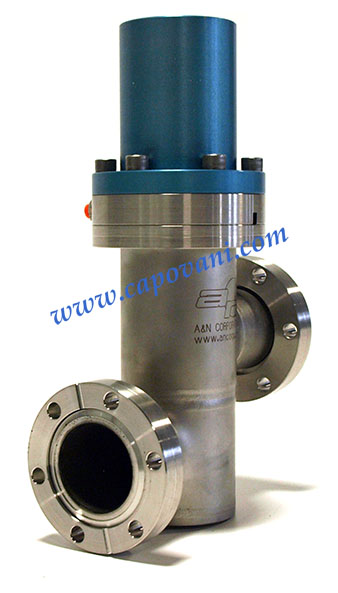
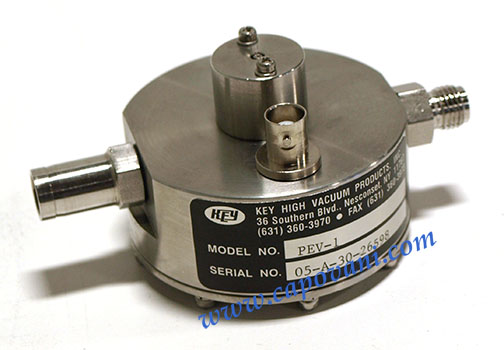
    KEY HIGH VACUUM PIEZOELECTRIC GAS FLOW VALVE

    Piezoelectric High Precision Gas Leak Valve - 1/4" FNPT inlet fitting and 1/2" OD tube outlet fitting. PEV Series

  2. MKS INSTRUMENTS INC. LOPRO ROUND BODY IN-LINE VACUUM VALVE, NW 50

    Vacuum In-Line Valves

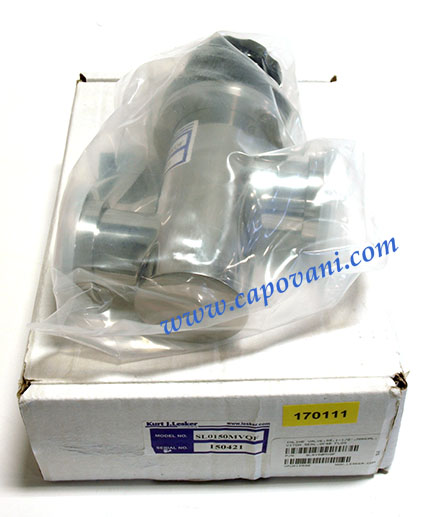
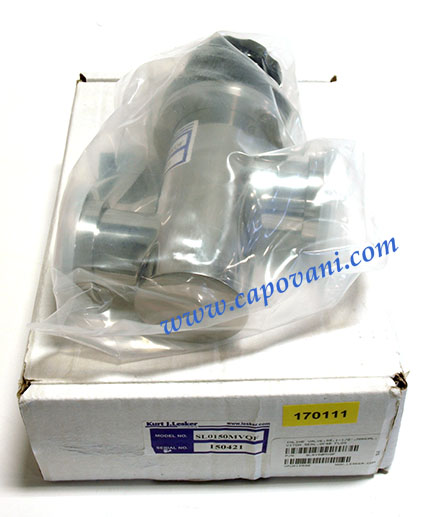
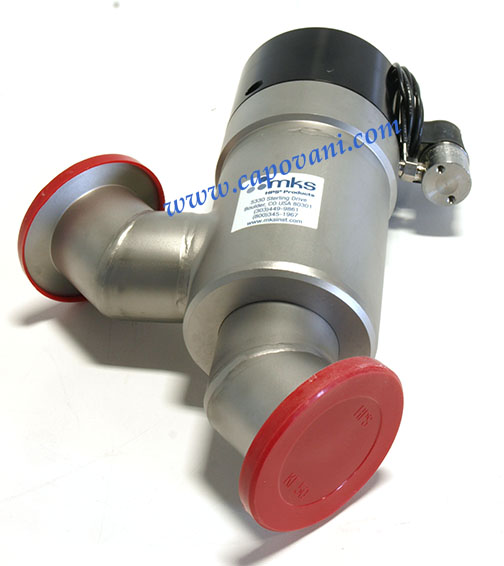
    MKS INSTRUMENTS INC. LOPRO ROUND BODY IN-LINE VACUUM VALVE, NW 50

    In-Line Vacuum Valve - New, never used. LoPro Series - Round Body
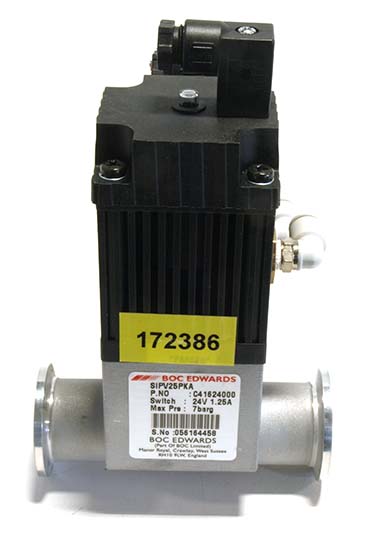
  3. BOC EDWARDS VACUUM IN-LINE VALVE, KF 25

    Vacuum In-Line Valves

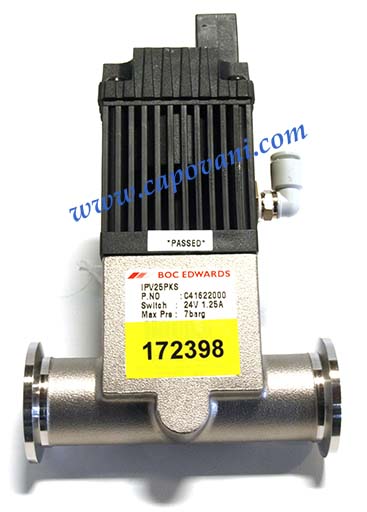
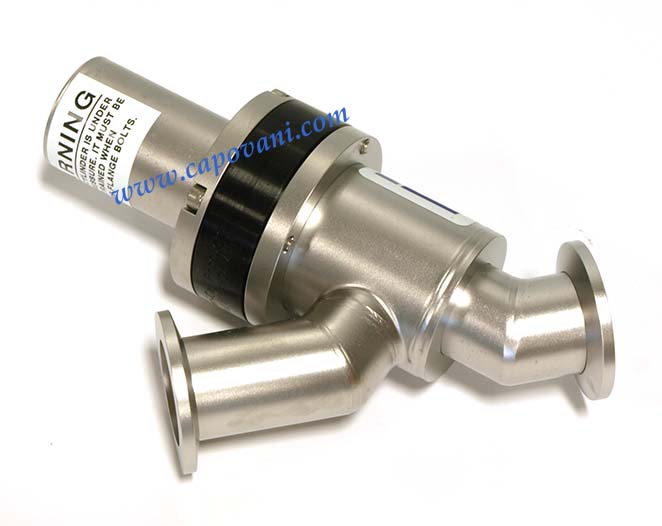
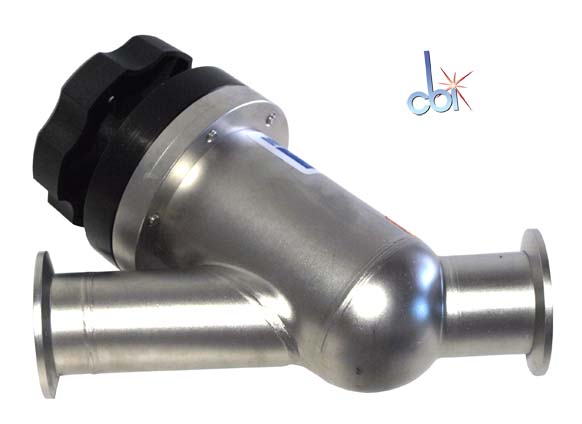
    BOC EDWARDS VACUUM IN-LINE VALVE, KF 25

    Pneumatic In-Line Isolation Valve Part number C41622000
  4. BOC EDWARDS SOFT-START ISOLATION VALVE, KF 25

    Vacuum In-Line Valves

    BOC EDWARDS SOFT-START ISOLATION VALVE, KF 25

    Soft-Start Isolation Valve - Pneumatically Operated

  5. BOC EDWARDS SOFT-START ISOLATION VALVE, KF 40

    Vacuum In-Line Valves

    BOC EDWARDS SOFT-START ISOLATION VALVE, KF 40

    Soft-Start Isolation Valve - Pneumatically Operated
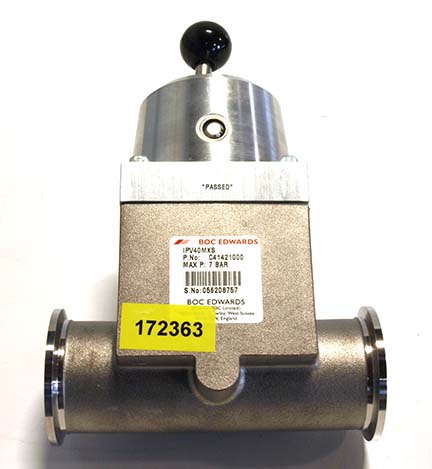
  6. BOC EDWARDS VACUUM IN-LINE VALVE, KF 40

    Vacuum In-Line Valves

    BOC EDWARDS VACUUM IN-LINE VALVE, KF 40

    Manual Operation Isolation In-Line Vacuum Valve Part number C41421000
Common Applications

gas flow control

vacuum system management

high-vacuum applications

laboratory use

industrial processes

Buying Guide

Vacuum In-Line Valves Buying Guide

When selecting vacuum in-line valves, consider the type of actuation you require: manual or pneumatic. Manual valves offer hands-on control, while pneumatic options allow for automation and remote operation.

Ensure the flange size, such as KF25 or KF40, matches your existing system to guarantee compatibility and airtight connections. Proper flange matching is critical for maintaining system integrity.

  • Check the valve material for compatibility with your application environment to prevent corrosion or damage.
  • Evaluate the operating vacuum range of the valve to meet your process requirements.
  • Consider the actuation method: manual valves for simple systems and pneumatic for automated control.
  • Verify the sealing capabilities to ensure minimal leakage and maintain desired vacuum levels.

Frequently Asked Questions

What are the main types of vacuum in-line valves?
The main types include manual vacuum valves, pneumatic in-line valves, and diaphragm vacuum valves, often specified by flange sizes like KF25 and KF40.
How does a manual vacuum valve function?
A manual vacuum valve operates by manually adjusting the valve to open or close, allowing precise control over the gas flow in a vacuum system.
What are the benefits of using a pneumatic in-line vacuum valve?
Pneumatic in-line valves offer automation capabilities for vacuum systems, enhancing operational efficiency and control, with specifications like quick actuation and reliable sealing.
Why are KF flange sizes important in vacuum valves?
KF flange sizes, such as KF25 and KF40, are important for ensuring compatibility and secure connections within vacuum systems, supporting efficient gas flow and sealing.