Pneumatic Valves

Pneumatic valves are essential devices used to control the flow of air or gas in industrial automation systems. They provide precise control over airflow, offering high repeatability and fast response times, with specifications such as pressure ratings up to 10 bar and operating temperatures ranging from -10°C to 80°C.

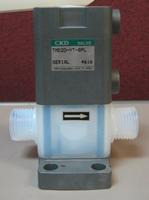
  1. Entegris 3870-03063 Pneumatic 2 Way Diaphragm Valve
    Pneumatic Valves

    Entegris 3870-03063 Pneumatic 2 Way Diaphragm Valve
    Entegris 3870-03063 Pneumatic 2 Way Diaphragm Valve

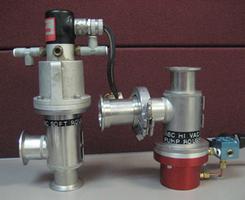
  2. NW40, KF40 Right Angle Valve with Various Attachments
    Pneumatic Valves

    NW40, KF40 Right Angle Valve with Various Attachments
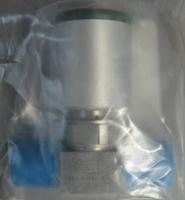
    NW40, KF40 Right Angle Valve with Various Attachments NW40, KF40 Right Angle Valve with Various Attachments
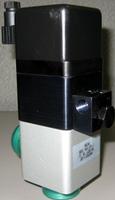
  3. Varian, L6282-301, Aluminum Right Angle Block Valve

    Pneumatic Valves

    Varian, L6282-301, Aluminum Right Angle Block Valve

    NW16 Aluminum Right Angle Block Valve
  4. Swagelok 6LV-DAFR4-P-0 Pneumatic Inline Valve

    Pneumatic Valves

    Swagelok 6LV-DAFR4-P-0 Pneumatic Inline Valve

    Swagelok 6LV-DAFR4-P-0 Pneumatic Inline Valve Pneumatic Inline Valve

Common Applications

industrial automation

process control

fluid handling

compressed air systems

Buying Guide

Pneumatic Valves Buying Guide

Choosing the right pneumatic valve is crucial for ensuring efficient control in your automation systems. With a variety of configurations available, it is important to select a valve that meets both performance and environmental requirements.

Considerations should include operating pressure and temperature ranges, as well as the specific type of valve that best fits your system's needs. Verify that the valve is compatible with your existing setup and that it supports the required flow capacity.

  • Evaluate the pressure and temperature specifications to match your system's requirements.
  • Select the appropriate valve type (e.g., diaphragm or block) based on application needs.
  • Ensure compatibility with existing fittings and connectors.
  • Consider environmental factors such as potential exposure to corrosive substances.

Frequently Asked Questions

What are pneumatic valves used for?
Pneumatic valves are used to control the flow, direction, and pressure of compressed air or gas in industrial automation systems.
What are the different types of pneumatic valves?
Common types include air valves, diaphragm valves, block valves, and right angle valves, each suited for specific control applications.
How do right angle valves differ from other pneumatic valves?
Right angle valves redirect flow direction at a 90-degree angle, making them ideal for systems where space constraints prevent straight-line flow.
What should be considered when selecting a pneumatic valve?
Key considerations include pressure and temperature ratings, flow capacity, valve type, and compatibility with existing systems.